
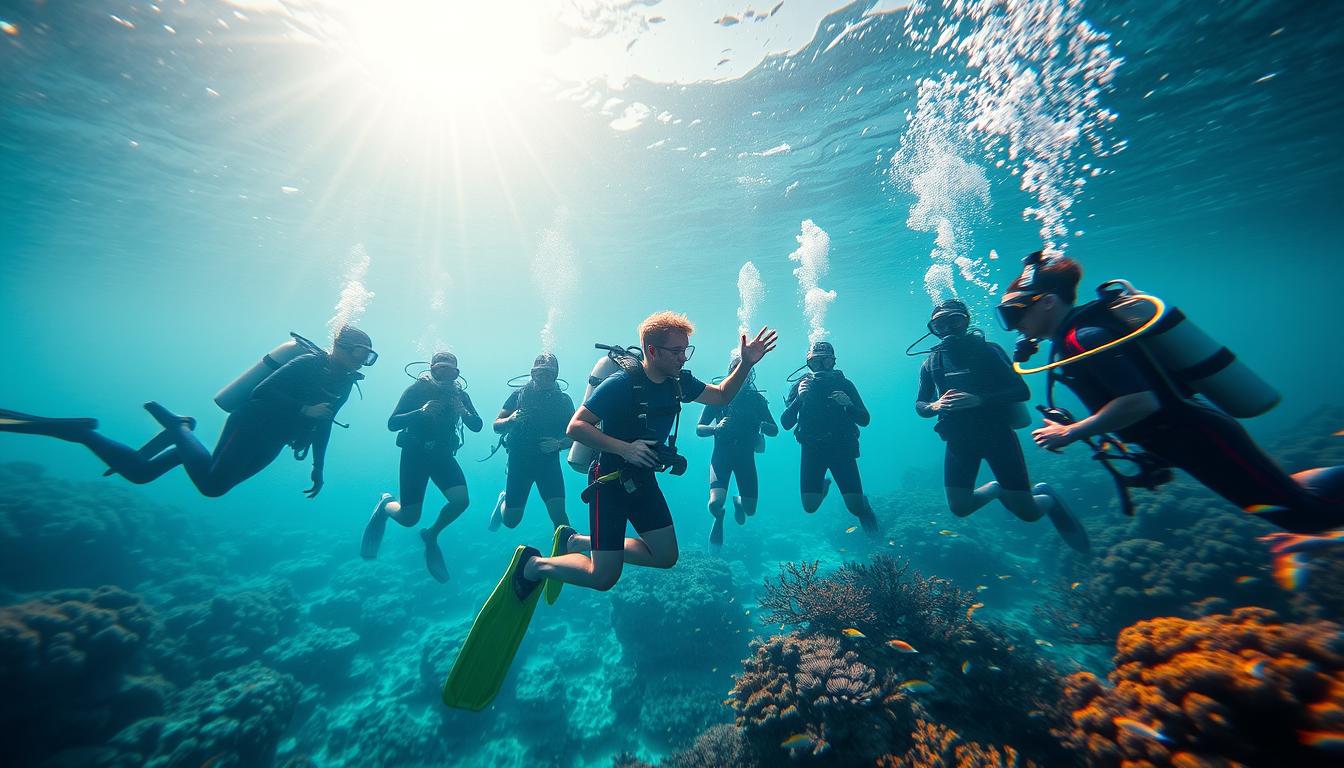
Exploring the underwater world captivates millions of people. Many wonder about the safety of scuba diving before they begin. The answer lies in proper training and established protocols.
Statistics show that recreational diving carries a risk level comparable to everyday activities. According to a Diver’s Alert Network workshop, annual fatality rates in the USA averaged 16.4 per 100,000 divers. This figure is similar to driving and only slightly higher than jogging.
PADI data from 63 million student dives reveals an even lower rate. The focus is not on eliminating risk, but on understanding and managing it effectively. This approach has been refined over many years of research and experience.
This guide covers fundamental principles and practical techniques. It is designed to build confidence for anyone looking to learn dive skills. The foundational elements of water safety and controlled breathing remain consistent.
Whether your goal is recreational exploration or competitive swimming, the journey starts with education. Commitment to this process ensures a rewarding and secure experience beneath the surface.
Key Takeaways
- Scuba diving safety is comparable to risks in everyday activities like driving.
- Proper training is the cornerstone of managing risk effectively in the water.
- Safety protocols are based on decades of research and millions of dives.
- Fundamental principles like controlled breathing apply to all types of diving.
- Building confidence starts with a commitment to education and skill progression.
- Statistical evidence supports the safety of well-conducted diving adventures.
Fundamentals of Diving Safety
Medical screening represents the first critical step in establishing a safe diving practice. Proper safety protocols begin before any training starts, focusing on personal health assessment and equipment preparation.
Understanding Medical Questionnaires and Pre-Dive Checks
All training agencies require student divers to complete mandatory medical questionnaires. These forms identify potential health risks that could become dangerous underwater. Cardiovascular conditions like high blood pressure represent the leading cause of scuba diving fatalities.
Honest health disclosure is critical for diver safety. Some countries mandate medical clearance from qualified physicians. This requirement varies globally, but understanding personal health limitations remains essential.
Recognizing and Mitigating Underwater Risk Factors
Common risk factors include equipment failure and exceeding training limits. Environmental conditions beyond a diver’s experience level also present challenges. Proper training over the years has refined safety protocols to minimize these risks.
Modern certification programs teach students to recognize potential hazards. They emphasize thorough equipment checks every time before diving. Risk mitigation becomes an ongoing responsibility for all certified divers.
While scuba diving carries inherent risks, they compare to everyday activities when following established practices. The collective experience of millions of divers has developed effective safety standards through scientific research.
Preparing to Dive: Training & Swimming Skills
Contrary to popular belief, scuba diving prioritizes comfort and calmness over athletic swimming prowess. The required water skills are about moving with control, not speed.
Developing Confidence in the Water
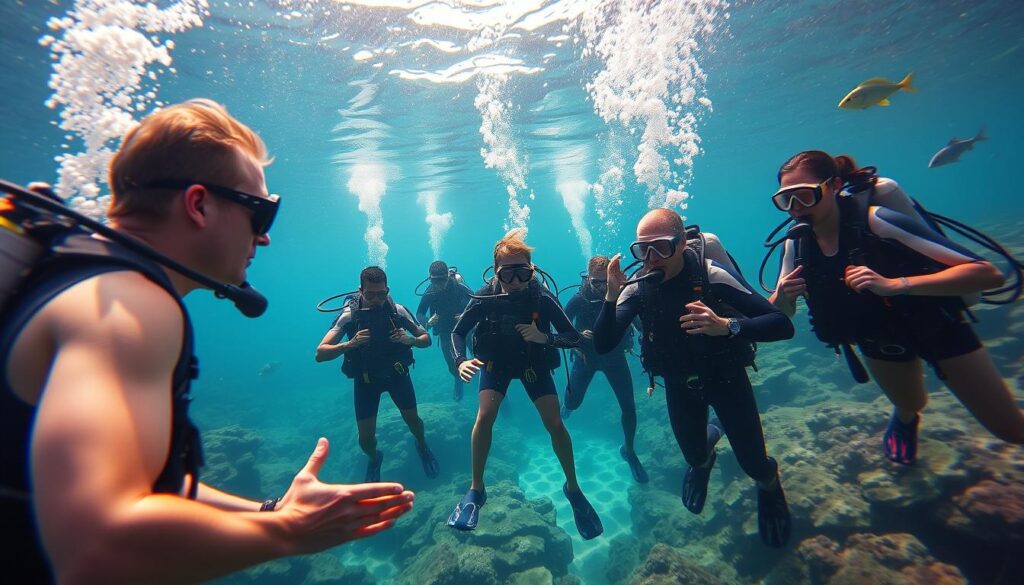
You do not need to be a champion athlete. Certification involves a short, untimed swim and a simple float test. The goal is to show you are safe and relaxed.
Start in a shallow place like a pool. Practice putting your face in the water and controlling your breath. This builds the core confidence needed for any dive.
Introductory programs offer a great starting point. They let you experience scuba in a calm, supervised environment before full certification. Many certified divers began as nervous swimmers.
Essential Swimming and Fin Techniques
Forget powerful strokes. Efficient movement is key. Use relaxed motions to save energy. Your body position should be horizontal to reduce drag.
Fins change everything. They make propulsion easy and conserve energy. Practice with fins in a pool or calm ocean area. This builds essential skills quickly.
Building Endurance for a Safe Diving Experience
Endurance comes from gradual practice, not intense training. The focus is on sustained, comfortable activity. Regular dives in different conditions are the best preparation.
One key tip is to acclimate slowly to open water. Get used to waves and different buoyancy. This learning process happens over time with patient practice.
The journey to becoming a confident diver is accessible. With the right scuba training, anyone can develop the necessary comfort and skills.
Equipment and Buddy System for Safe Diving
The buddy system represents one of diving’s most effective safety protocols, providing immediate assistance when needed. Combined with properly maintained equipment, these elements create a secure foundation for underwater exploration.
Pre-Dive Equipment Checks and Maintenance
Modern scuba gear undergoes rigorous testing before each dive. The pre-dive checklist verifies critical components systematically.
| Check Type | Component | Verification Method | Frequency |
|---|---|---|---|
| Primary | Air Supply | Tank pressure gauge reading | Every dive |
| Secondary | Regulator Function | Breathing test before entry | Every dive |
| Tertiary | Buoyancy Device | Inflation/deflation test | Every dive |
Regular maintenance prevents most equipment failures. Professional servicing ensures optimal performance.
The Importance of the Buddy System in Diving
Your dive buddy serves as your first line of defense underwater. This partnership provides multiple safety benefits.
“A reliable buddy transforms potential emergencies into manageable situations through quick response and shared resources.”
The system offers alternative air sources and extra observation. Even unfamiliar buddy pairs often demonstrate heightened awareness.
Training emphasizes buddy communication and problem-solving skills. These practices continue throughout a diver’s career.
Essential Techniques for Learning to Dive Safely
Developing practical skills transforms theoretical knowledge into real-world diving competence. These techniques form the foundation for confident underwater exploration.
Step-by-Step Dive Entry Methods
Begin with the sitting position on the pool deck. Keep hands above head in a streamlined position with arms squeezing ears. Bend at the waist and roll into the water fingers first.
Progress to kneeling entries using the same rolling technique. New divers often somersault underwater initially. Push your chin forward after entry to prevent this.
| Entry Type | Body Position | Key Technique | Progression Level |
|---|---|---|---|
| Sitting | Seated on deck | Rolling entry | Beginner |
| Kneeling | Knees on kickboard | Chin forward after entry | Intermediate |
| One-Knee | One knee down | Toes wrapped on edge | Advanced Beginner |
| Standing | Feet staggered | Gradual leg drive | Confident Level |
Mastering Buoyancy and Air Sharing Techniques
Buoyancy control represents a cornerstone skill for safe scuba diving. Use your buoyancy control device to achieve neutral buoyancy. This allows hovering motionless in the water column.
Never hold your breath during ascent. This fundamental rule prevents serious lung injuries. Equalize your ears early and often during descent.
Air sharing techniques prepare divers for emergency situations. Practice donating and receiving alternate air sources. These skills build confidence for open water dives.
Overcoming Dive Anxiety and Building Confidence
Controlled breathing reduces anxiety and improves air consumption. Start training in shallow water where the surface remains accessible. Progress gradually to more challenging environments.
Scuba courses structure training to build confidence through success. Each step prepares students for the next challenge. Certification dives demonstrate skills in real underwater conditions.
Choose dive sites within your experience limits. Frequent practice maintains essential skills. The underwater world becomes more enjoyable as confidence grows.
Conclusion
Modern recreational scuba diving offers accessible entry points for people of all backgrounds. Comprehensive training systems support this journey into the underwater world.
The foundation of safe diving rests on established protocols. These include medical honesty, equipment checks, and the buddy system. Never exceed your limits or certification level.
Scuba certification courses build essential skills through gradual progression. Qualified instructors ensure proper preparation for open water dives. This approach makes confident exploration achievable.
While the marine environment presents inherent challenges, statistical evidence supports diving’s safety. Properly trained scuba enthusiasts face risks comparable to everyday activities.
Choose reputable facilities and commit to ongoing skill development. The underwater world awaits those who approach scuba diving with respect and preparation.