

Home improvement projects have become increasingly popular among American homeowners. Recent data from Nationwide’s 2024 survey reveals that over half of property owners completed renovations in the last two years. Kitchens and bathrooms remain the most sought-after upgrades.
While transforming your living space can be incredibly rewarding, these projects introduce various hazards that demand careful attention. Proper precautions help prevent injuries and ensure successful outcomes. Understanding essential protocols is crucial regardless of your experience level or project complexity.
This comprehensive guide provides practical advice drawn from professional construction standards. We cover critical topics including protective gear, power tool usage, and workspace organization. You’ll also find guidance on ladder protocols, electrical precautions, and effective project planning.
Key Takeaways
- Over half of homeowners completed renovation projects in the past two years
- Proper preparation significantly reduces accident risks during home improvements
- Protective equipment is essential for all types of renovation work
- Workspace organization prevents many common household project hazards
- Electrical safety requires special attention during any remodeling activity
- Professional construction standards provide reliable safety frameworks
- Planning ahead ensures smoother, safer project completion
Understanding the Importance of DIY Safety
Each year, countless homeowners embark on renovation projects with enthusiasm, yet many overlook the critical first step of risk assessment. Power tools are involved in approximately 400,000 emergency room visits annually in the United States. This statistic highlights the very real potential for accidents and injuries during common home improvement tasks.
Recognizing Risks in Home Renovation Projects
Awareness is your first line of defense. Many hazards are present before work even begins. Identifying them allows for proactive prevention.
| Common Hazard | Typical Source | Potential Consequence |
|---|---|---|
| Cuts and Lacerations | Sharp blades and tools | Serious bleeding, infection |
| Falls | Unstable ladders, cluttered floors | Sprains, fractures, head trauma |
| Electrical Shock | Live wires, faulty equipment | Burns, cardiac arrest |
| Strain and Sprain | Improper lifting, repetitive motion | Muscle injury, long-term pain |
Benefits of a Safety-First Approach
Prioritizing well-being goes beyond avoiding harm. It leads to a smoother process and better results. You protect yourself and other people in the home.
This mindful strategy prevents project delays, property damage, and unexpected medical costs. It also builds confidence for future home improvements. A planned approach ensures you finish efficiently and safely.
Essential Protective Gear for Home Renovation
The right protective equipment transforms home renovation from a hazardous endeavor into a controlled, manageable process. Investing in quality personal protective equipment (PPE) represents your most important preparation step.
Work Boots, Gloves, and Protective Eyewear
Sturdy work boots provide essential foot protection and stable footing. They offer superior puncture resistance compared to regular footwear. This basic gear prevents many common injuries.
Quality gloves protect hands from cuts, chemicals, and abrasions. Different tasks require specialized glove types. Chemical-resistant models work well for painting projects.
Protective eyewear is non-negotiable for most renovation work. Safety glasses or goggles shield eyes from flying debris. They provide crucial protection against dust and particles.
Additional Gear for High-Risk Tasks
Complex projects demand comprehensive personal protective equipment. Ear protection becomes vital when using loud power tools. Prolonged exposure can cause permanent hearing damage.
Respirators offer essential respiratory protection during dusty work. They filter harmful fumes and particles. Face shields provide extra protection for high-risk tasks.
Specialized equipment like protective chaps may be necessary for chainsaw operation. The right gear selection varies by project complexity. Always match your protective equipment to the specific tasks at hand.
Safe Use and Maintenance of Power Tools
While power tools dramatically speed up renovation tasks, they introduce specific risks that require systematic protocols. These efficient devices demand respect and proper handling to prevent accidents.
Inspecting and Maintaining Tools
Always conduct a visual check before operating any power equipment. Look for cracked handles, chipped blades, or frayed wires. Missing components and damaged guards indicate potential hazards.
Broken tools should never be used regardless of budget constraints. Replace faulty equipment immediately to ensure secure operation. Regular maintenance extends tool lifespan and prevents malfunctions.
Using Tools for Their Intended Purposes
Each power tool serves specific functions. Using equipment incorrectly causes most workshop accidents. Always select the right tool for each task.
Safety guards protect users from spinning blades and kickback. Retractable blade guards on circular saws prevent hand contact. Table saw guards reduce material ejection risks.
Match blades and accessories to your power tool and material type. Proper equipment selection ensures efficient cutting and reduces accident potential. Treat all tools with equal caution for optimal protection.
Creating a Clean and Organized Work Environment
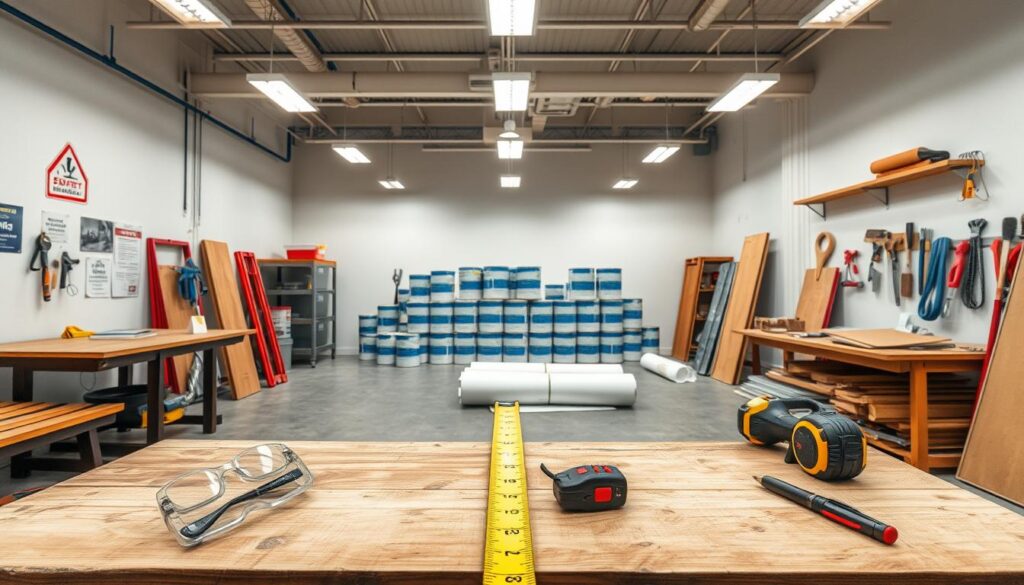
Maintaining a tidy work area throughout your home improvement job significantly reduces accident risks. Professional construction crews have dedicated personnel who monitor site conditions, but homeowners must serve as their own safety managers during renovation projects.
Preventing Slips, Falls, and Clutter-Related Accidents
Immediately clean up work scraps like cut lumber ends and pipe pieces. These materials create tripping hazards that contribute to slips and falls. Regular debris removal keeps pathways clear and prevents accidents.
Adequate lighting is essential for safe work, especially during evening hours. Dimly lit areas increase mistake likelihood and accident potential. Ensure your workspace has sufficient illumination for clear visibility.
Establish clutter-free zones around your active work area. Store tools in designated cases when not in use. Wrap electrical cords properly to prevent tripping hazards and equipment damage.
Keep children and pets away from renovation zones. This protects them from hazards and prevents distractions that could lead to safety lapses. Secure chemicals and cleaning supplies between work sessions.
Maintaining cleanliness throughout the job improves productivity. You’ll spend less time navigating obstacles and searching for tools. A well-organized workspace supports efficient, safe project completion.
Ladder and Electrical Safety Precautions
Proper protocols for ladder usage and electrical handling separate successful renovations from hazardous situations. These two areas demand specific knowledge beyond basic home improvement skills.
Best Practices for Ladder Safety
Ladder-related falls cause over 100 fatalities annually in the United States. Thousands more suffer injuries from improper use.
Follow the “Rule of Four” for stable positioning. For every four feet of height, place the base one foot from the wall. This creates the correct angle for secure operation.
Verify the angle by standing at the base. Extend your arms to comfortably grasp the closest rung. Adjust if the reach feels too far or close.
Secure the ladder by tying the top to a fixed object. Have another adult hold the base for added stability. Maintain three points of contact while climbing.
For comprehensive ladder safety protocols, consult professional guidelines. These precautions prevent most common accidents.
Electrical Work and Insulated Tools
Only 17% of homeowners feel confident handling electrical tasks. This work presents significant hazards requiring careful precautions.
Always turn off the main breaker before starting. Communicate this shutdown to all household members. Use a voltage meter to confirm power is off.
Insulated tools provide essential protection against accidental shocks. Wear rubber gloves for additional safety. Never use metal ladders near electricity.
Choose fiberglass ladders instead since metal conducts electrical current. These simple precautions make electrical work much safer for DIY projects.
Planning and Preparing Your DIY Project
Before the first tool is lifted or material cut, thoughtful project planning establishes the framework for efficient and secure completion. This preparatory phase often determines the difference between smooth progress and frustrating setbacks.
Breaking Down the Project into Manageable Steps
Large home improvement undertakings can feel overwhelming when viewed as a single entity. Divide complex projects into smaller, sequential tasks with clear objectives. This methodical approach improves organization and reduces oversight.
Create a detailed plan listing required materials, tools, and estimated timelines. Identify phases that might need professional assistance early in the process. Proper segmentation prevents rushing and promotes careful work.
Reviewing Instructions and Safety Guides
Thoroughly examine all product manuals and assembly guides before beginning work. Manufacturer instructions provide specific techniques for proper tool operation. This preparation reduces errors and prevents property damage.
Consult online tutorials and resources specific to your project type. Experienced diyers often share valuable insights about common challenges. Learning from others’ experiences helps anticipate potential issues.
“Measure twice, cut once” applies equally to planning as it does to execution. The most successful renovations begin with comprehensive preparation.
Strategic planning helps avoid the financial pressure that causes many homeowners to delay necessary maintenance. Investing time in preparation prevents expensive corrections later.
| Planning Approach | Key Benefits | Important Considerations |
|---|---|---|
| Step-by-Step Segmentation | Reduces overwhelm, improves focus | Maintain logical task sequence |
| Comprehensive Research | Anticipates challenges, saves time | Verify source credibility |
| Resource Preparation | Prevents work interruptions | Account for potential delays |
| Consultation Strategy | Gains practical insights | Balance advice with project specifics |
diy safety tips for Preventing Injury on the Job
Many preventable accidents occur not from complex hazards but from simple oversights in blade maintenance and work pacing. These fundamental factors significantly influence your injury risk during home improvement projects.
Maintaining Sharp Blades and Equipment
Sharp cutting tools are actually safer than dull ones. When blades lose their edge, users must apply excessive force, increasing the chance of slips and loss of control.
Regular maintenance keeps saws and cutting equipment performing optimally. Use honing stones or professional sharpening services for circular saws, table saws, and hand tools. Properly sharpened blades require minimal effort and produce cleaner cuts.
Always select the appropriate blade type for your specific material and cutting task. The right tool reduces binding and kickback risks while improving work quality.
Avoiding Fatigue and Rushing Your Project
Physical exhaustion represents a major but underestimated injury factor. Even fit homeowners use unfamiliar muscles during renovation work, leading to faster fatigue.
Combat tiredness by staying hydrated and taking regular breaks. Resist the urge to rush through tasks, especially when working under weekend time pressure. Rushing causes careless mistakes that increase accident potential.
Remember that an unfinished project is always preferable to a serious injury. Give yourself adequate time and maintain sharp, well-chosen equipment for safer outcomes.
Conclusion
Homeowners who approach improvement work with methodical preparation and ongoing vigilance achieve better results while minimizing risks. The comprehensive principles outlined here form an integrated system for protecting your wellbeing during property enhancements.
Consistent application of these practices ensures that people complete projects efficiently while safeguarding their homes. Proper use of tools and power tools, combined with protective equipment, creates essential layers of defense against potential injuries.
Remember that no project timeline or cost saving justifies compromising fundamental safety. By maintaining awareness and following these guidelines, you protect your health, property, and the satisfaction that comes from successful home improvements.