
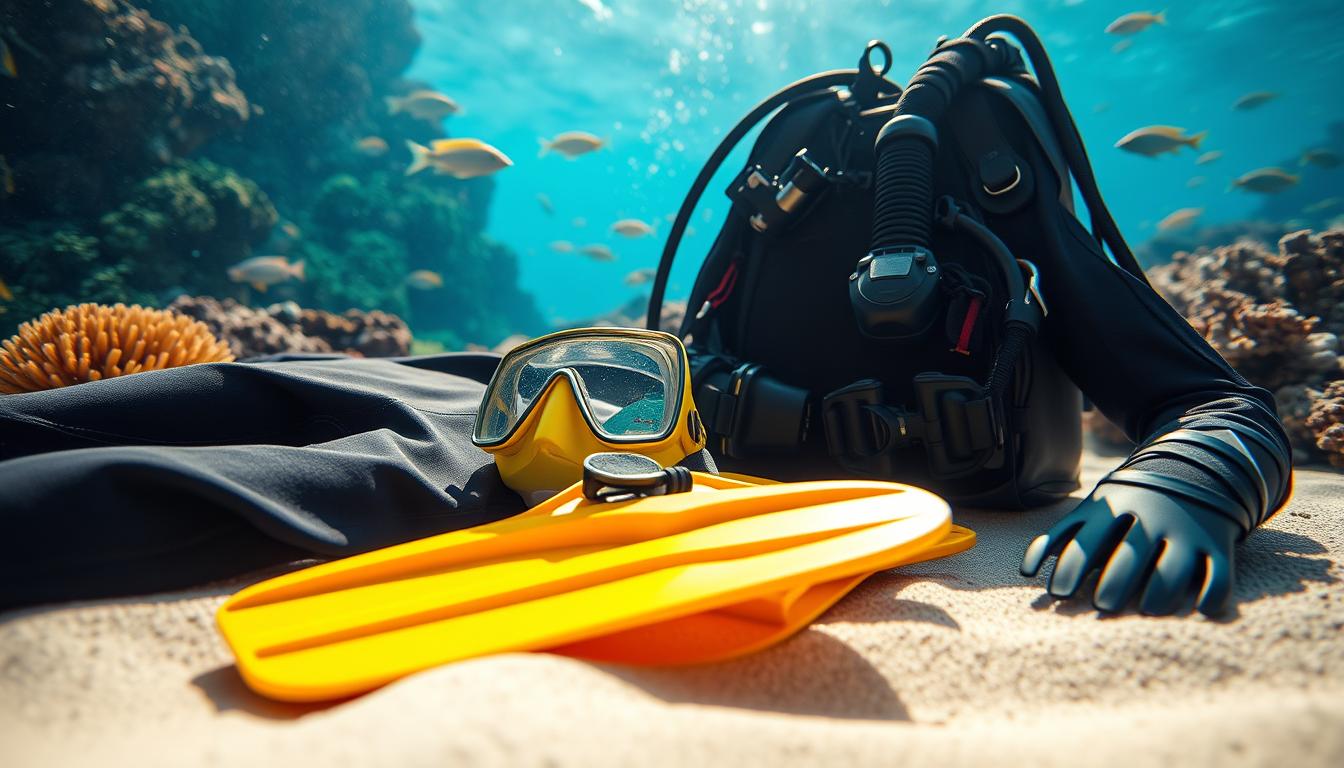
Stepping into the underwater world is an incredible experience. Having the right personal gear is the first step toward a safe and enjoyable adventure. This guide is your essential resource for building a personal kit that fits your needs perfectly.
We will explore the key differences between basic rental items and owning your own setup. A proper fit and customization can dramatically improve your comfort and performance beneath the surface.
Whether you are a beginner buying your first set or a seasoned pro looking for an upgrade, we break down the essentials. From masks and fins to advanced regulators, we cover every aspect of building your personal collection.
This guide also tackles common questions about budget, quality, and safety. Our goal is to give you the confidence to make a smart choice that will serve you for years of exploration.
Key Takeaways
- Personal gear offers superior comfort, safety, and familiarity compared to rental options.
- The right selection process considers your skill level, budget, and typical diving conditions.
- Essential items include a mask, fins, and snorkel, with advanced gear like dive computers for more experienced divers.
- Proper fit and maintenance are critical for both performance and long-term equipment longevity.
- Balancing cost with quality and safety features is key to a worthwhile investment.
- Informed purchasing decisions lead to a more enjoyable and secure underwater experience.
Understanding the Basics of Diving Gear
Before exploring advanced diving technology, it’s crucial to grasp the importance of basic personal equipment. Your mask, fins, and snorkel form the core of your underwater experience.
Masks, Fins, and Snorkels Overview
A properly fitting mask is your window to the underwater world. Everyone has unique facial features, so finding the right seal is essential. Test different masks by placing them against your face without the strap.
If the mask stays put when you inhale gently, you’ve found a good fit. Clear masks offer better light penetration, while black frames reduce glare.
Fins provide the propulsion needed to move efficiently through water. They help conserve energy and maintain proper positioning. Well-fitted fins prevent blisters and fatigue during your dive.
Snorkels serve a practical purpose even for experienced divers. They allow surface breathing without wasting tank air. Simple J-tube designs work well, while dry snorkels prevent water entry.
The Impact of Basic Equipment on Dive Comfort
Your ABC gear directly influences your overall comfort underwater. A leaking mask can cause distraction and even panic. Proper equipment ensures you focus on the dive itself.
Investing in personal gear guarantees consistent performance. You’ll avoid the uncertainty of rental equipment. Familiar tools build confidence and enhance safety.
The right mask seal prevents constant adjustments. Comfortable fins enable smooth movement. These elements combine to create enjoyable underwater exploration.
Benefits of Owning Your Own Diving Equipment
Personal gear ownership offers advantages that rental options simply cannot match for dedicated underwater enthusiasts. When you invest in your own setup, you gain consistency and reliability that transforms every dive experience.
Improved Fit, Hygiene, and Personal Customization
A perfect fit is perhaps the most immediate benefit of owning your gear. Rental items often provide generic sizing that may not suit your body type. Personal equipment ensures optimal comfort and performance.
Hygiene concerns disappear when you own your wetsuit and regulator. You avoid sharing items that contact your skin with hundreds of other people. This eliminates risks of skin irritation and bacterial exposure.
Customization becomes possible with personal ownership. You can adjust straps, add accessories, and configure your buoyancy control device exactly how you prefer. This personal touch enhances both safety and enjoyment.
Familiarity with your own scuba equipment builds confidence underwater. You know how each piece functions and can perform pre-dive checks efficiently. This reduces stress and improves air consumption.
Long-term cost savings make ownership practical for regular divers. The cumulative rental fees often exceed the one-time investment in quality gear. Your personal setup can last for years with proper maintenance.
Essential Gear for First-Time Divers
For those new to scuba, building a personal kit begins with foundational pieces. Starting with the right items ensures comfort and safety during your initial underwater experiences.
Key Equipment for Beginners
The ABC gear—mask, fins, and snorkel—forms the core of any beginner’s collection. These essential pieces provide immediate benefits over rental alternatives.
| Equipment | Priority Level | Key Considerations |
|---|---|---|
| Mask | Highest | Proper seal, comfort, minimal leakage |
| Fins | High | Good fit, appropriate stiffness, easy movement |
| Snorkel | Medium | Simple design, comfortable mouthpiece |
Tips for Proper Fit and Selection
Always test gear in person before making purchases. A well-fitting mask prevents leaks that can ruin early dive experiences.
“The right fit transforms scuba diving from stressful to spectacular for new enthusiasts.”
Consider your local diving conditions when selecting each piece. Warm water gear differs significantly from cold-water equipment.
Many shops offer beginner packages that bundle essential items. These provide excellent value while ensuring compatibility between components.
Effective Strategies for Choosing Diving Equipment
Smart purchasing decisions for scuba gear require a blend of research, hands-on evaluation, and community input. Different approaches work for various personalities and situations.
Many enthusiasts start with online research. They read comparisons in specialized publications. This allows private investigation without sales pressure.
Factors to Consider When Making Your Choice
Community interaction provides real-world insights. Talking with other divers at local spots offers valuable perspectives. You see gear in action and get honest feedback.
The observation-discussion-analysis method proves highly effective. First, watch what equipment others use in your typical conditions. Then discuss their experiences before researching technical details.
Testing before buying prevents costly mistakes. Demo days and rental programs let you experience performance firsthand. This approach ensures your final choice matches your needs perfectly.
Define your budget early in the process. Quality gear can last years with proper care. Consider your diving style and typical conditions when evaluating options.
Dive Computers and Their Role in Safe Diving
Among the most significant advancements in personal scuba gear is the dive computer. These devices provide critical safety monitoring that goes far beyond basic depth and time tracking.
Modern computers continuously calculate nitrogen absorption to prevent decompression sickness. They offer real-time guidance more accurate than traditional tables.
Monitoring Depth and Dive Time
Your personal dive computer tracks every moment underwater. It records maximum depth, duration, and surface intervals across multiple dives.
These devices account for multi-level profiles rather than assuming constant depth. This accuracy provides enhanced safety margins throughout your exploration.
Audible and visual alarms warn about ascent rates and safety stops. This layered protection helps divers stay within safe parameters during all their dives.
| Computer Type | Key Features | Best For |
|---|---|---|
| Entry-Level | Basic monitoring, essential alarms | New enthusiasts |
| Mid-Range | Logging capabilities, adjustable settings | Regular divers |
| Advanced | Air integration, multiple gas mixes | Technical specialists |
Ease of Use and Maintenance
Owning your computer ensures interface familiarity across all your dives. You avoid the confusion of different rental models on various trips.
Modern computers require minimal upkeep compared to other gear. Many feature rechargeable batteries or inexpensive user-replaceable power sources.
The primary investment remains the initial purchase price. This makes computers a practical long-term safety solution for personal use.
The Importance of Regulators and Buoyancy Control Devices (BCD)
Two pieces of gear stand above all others when it comes to underwater safety and control. Your regulator and BCD work together as your personal life support system beneath the surface.
Ensuring a Reliable Air Supply
Your regulator serves as the critical link between your tank and your lungs. This device delivers breathing air smoothly and consistently throughout your dive.
Personal regulators offer significant advantages over rental options. You control the maintenance schedule and ensure optimal performance. Familiarity with your own equipment builds confidence underwater.
High-quality regulators provide effortless airflow with minimal resistance. This reduces breathing effort and extends your bottom time. Investing in reliable regulators ensures peace of mind during every scuba adventure.
Custom Fit for Enhanced Buoyancy Control
The BCD allows precise adjustment of your buoyancy at any depth. Proper fit prevents shifting and discomfort during movement.
Different BCD styles suit various body types and diving preferences. Jacket-style offers familiar comfort, while back-inflate models provide better trim. Wing configurations excel for technical applications.
Ownership enables customization through integrated weight systems and accessory placement. This personalization enhances both safety and enjoyment during your underwater exploration.
Selecting the Right Wetsuit or Drysuit
Water temperature dictates your most critical gear decision beyond basic breathing apparatus. The right exposure suit ensures safety and enjoyment in various aquatic environments.
Guidelines on Thickness and Material Selection
Wetsuit thickness directly correlates with water temperature. Tropical conditions typically require 2-3mm suits, while colder waters need 5-7mm protection.
The material quality impacts both durability and thermal efficiency. Premium neoprene offers better flexibility and insulation. Sealed seams prevent water flushing that reduces warmth.
Optimizing for Temperature and Comfort
Proper fit is essential for thermal protection. Your wetsuit should feel snug without restricting movement. Gaps at wrists, ankles, or neck allow cold water entry.
Personal wetsuits provide hygiene advantages over rental options. They prevent skin contact with shared materials. This reduces irritation risks from improper cleaning.
Consider your typical scuba conditions when selecting coverage. Full-length suits offer maximum protection for cooler environments. Shorty versions work well for warm-water activities.
Choosing Accessories for Enhanced Diving Experience
Beyond your core scuba setup, several accessories can significantly improve your underwater adventures. These additional items provide critical safety margins and practical benefits that experienced divers rely on.
Must-Have Safety and Visibility Accessories
Surface marker buoys are essential for boat traffic areas. They signal your position when you ascend. This simple device prevents dangerous surface encounters.
Cutting tools offer important protection from entanglement. Fishing lines and nets can trap divers unexpectedly. A sharp blade mounted accessibly provides quick solutions.
Dive lights restore color in deep water. They also illuminate night explorations and wreck interiors. Modern LED models offer bright, long-lasting illumination.
Additional Tools for Underwater Navigation
Compasses help maintain direction during limited visibility. They prevent disorientation in currents or poor conditions. Underwater slates allow complex communication beyond hand signals.
Thermal protection extends your comfort in colder environments. Hoods, gloves, and boots protect extremities from temperature drops. They also prevent abrasions during shore entries.
Prioritize accessories that match your typical dive conditions. Avoid accumulating unnecessary items that add bulk without benefit. Each addition should serve a clear purpose for your personal safety.
Community Insights on Comparing Diving Equipment
Community knowledge serves as a powerful tool for making informed decisions about your underwater setup. Experienced divers share valuable feedback about real-world performance that you won’t find in manufacturer specs.
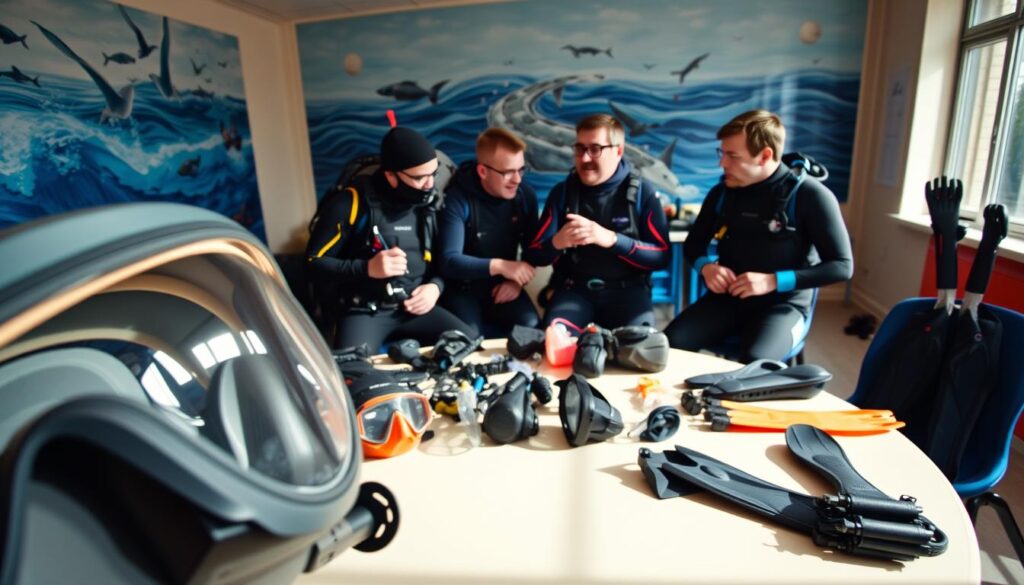
Local dive centers and popular spots offer opportunities to see gear in action. You can ask specific questions and sometimes test items during surface intervals.
Real-World Testing and Comparative Reviews
Demo days and try-before-you-buy programs provide hands-on experience. This reveals comfort and ease of use that specifications alone cannot show.
Online forums aggregate experiences from thousands of divers worldwide. They offer diverse perspectives on reliability and value across different brands.
When evaluating feedback, maintain objectivity by seeking both positive and negative opinions. What works for one diver may not suit another’s body type or style.
Balancing Cost, Performance, and Longevity
Consider total cost of ownership including maintenance and expected lifespan. Quality gear often proves more economical long-term despite higher initial prices.
Well-maintained equipment commonly lasts five to ten years or more. This makes the investment worthwhile for regular enthusiasts.
Resist marketing hype in favor of proven, reliable gear that suits your actual needs. This ensures your setup serves you well for many diving days ahead.
Conclusion
Building your personal dive setup transforms every underwater adventure. Each piece you select contributes to your comfort and safety during scuba diving experiences.
Starting with essential gear ensures you can dive without worrying about rental availability. A mask with a proper seal and well-designed fins provide the foundation for enjoyable days beneath the surface.
Quality equipment represents an investment that pays off over time. Proper maintenance extends the durability of your gear, allowing you to focus on the beauty of the underwater world. For more detailed guidance, explore our comprehensive scuba gear guide.
Your gear choices evolve as you gain experience. The right weight system and reliable equipment ensure you can dive without hesitation. This confidence comes from knowing your setup supports your safety every time you enter the water.
Trustworthy gear makes all the difference for any diver. It turns challenging dives into memorable days of exploration and discovery.