
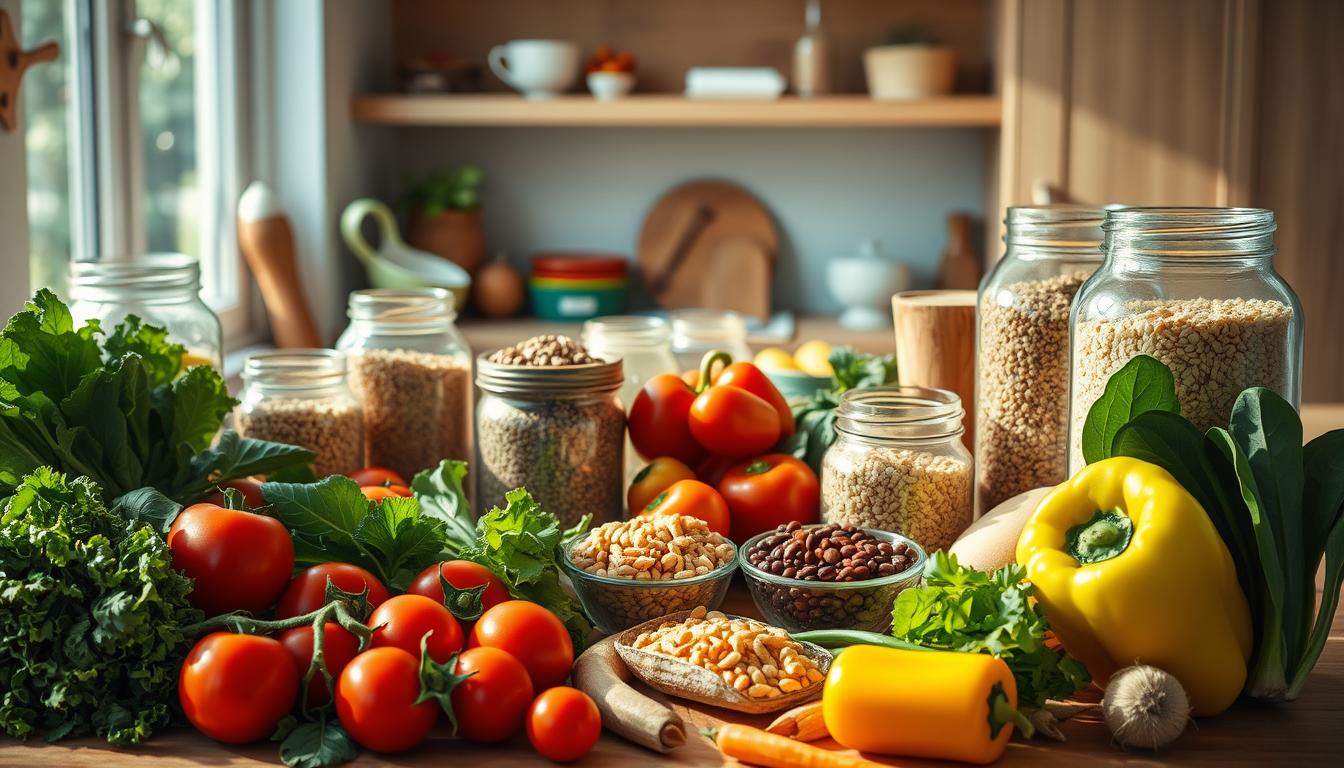
Grocery bills are climbing higher across the United States. Many families feel the pinch at the checkout counter. This makes smart food choices more important than ever. You want to serve nutritious and delicious dishes without straining your wallet.
The good news is that eating well does not require a huge grocery budget. With the right approach, your kitchen can be a place of creativity and health. You can prepare satisfying food that supports your well-being and your financial goals.
This guide is packed with practical strategies. We will show you how to plan, shop, and cook efficiently. You will learn to make the most of every ingredient. Our goal is to make economical cooking an enjoyable and sustainable part of your life.
Whether you are cooking for a family or just for yourself, these tips will help. You can take control of your food spending. Discover how small changes in your routine can lead to big savings over time.
Key Takeaways
- Rising food costs make economical cooking essential for many households.
- Nutritious and tasty dishes are achievable without a large grocery budget.
- Smart planning and shopping techniques are key to saving money.
- Small, consistent changes in your cooking habits lead to significant long-term savings.
- This guide provides actionable steps to make affordable eating enjoyable and sustainable.
Introduction to Affordable and Healthy Eating
Recent economic shifts have transformed grocery shopping from a routine task into a strategic financial challenge for many Americans. The numbers tell a compelling story about why this matters now more than ever.
According to U.S. Department of Agriculture data, food prices surged 23.6% between 2020 and 2024. Even more striking, CBS News reports that between 2019 and March 2025, egg prices jumped 303%, steak increased 46%, and chicken breast rose 36%. These increases affect every household differently.
Understanding the Need for Budget Friendly Meals
For families trying to prepare nutritious dinners, these price hikes create real pressure. The challenge isn’t just about spending less—it’s about making smart choices that deliver both value and nutrition.
Affordable eating means focusing on whole ingredients and versatile protein sources. It’s about transforming simple, economical items into satisfying food that nourishes your body. This approach turns financial constraints into creative opportunities in the kitchen.
The foundation lies in planning ahead and developing skills to maximize every dollar. With the right strategies, you can create memorable dinners without straining your resources. This section explores why these approaches matter in today’s economic climate.
Benefits of Choosing Budget Friendly Meals
Smart food choices at the supermarket translate into meaningful improvements in household dynamics. The advantages extend well beyond simple dollar savings.
Financial stress decreases significantly when you master cost-conscious meal preparation. This allows families to redirect resources toward other important goals. The savings accumulate over time, creating meaningful financial flexibility.
Healthier eating habits naturally develop when you prepare dishes from scratch. Families enjoy more nutritious meals together around the dinner table. These shared experiences strengthen bonds and create lasting memories.
The skills learned in the kitchen provide lifelong benefits. Confidence grows as you discover creative ways to transform simple ingredients. This sustainable approach to cooking empowers you to face future challenges with ease.
Smart Shopping Tips for Saving on Groceries
Effective shopping techniques separate savvy consumers from those who overspend. The right strategies turn your grocery trip into a money-saving mission. You can maximize value without sacrificing quality.
Warehouse clubs like Costco and Sam’s Club offer significant savings on bulk purchases. These stores provide lower prices per unit compared to standard supermarkets. However, you need a plan for storing larger quantities.
Bulk Buying and In-Season Produce
Buying in bulk reduces costs for staple food items. Your freezer becomes a powerful tool for preserving these purchases. Stock up on protein like chicken breasts during sales and freeze extras for future meals.
Fresh vegetables and greens like spinach freeze well for later use. In-season local produce offers better flavor and nutrition at lower prices. Seasonal abundance drives down costs while delivering peak quality.
Substitutions and Swap Strategies
Learning ingredient substitutions empowers you to adapt recipes based on availability. Feel confident swapping basil for parsley or brown rice for farro. These changes maintain dish quality while reducing expenses.
Avoid pre-cut, pre-packaged convenience items that carry premium prices. Simple chopping tasks done yourself save significant money over time. Strategic shopping makes every dollar count throughout the week.
Planning Your Meals on a Limited Budget
The foundation of economical cooking lies in thoughtful preparation before you even enter the supermarket. A solid plan transforms chaotic grocery trips into strategic missions.
Consider adopting “The Menu” approach. This means rotating a core set of reliable recipes each week. You use the same spices and pantry items until they’re empty.
This system eliminates decision fatigue. It also prevents buying new ingredients for every meal. You’ll find that planning meals becomes second nature.
Choose between weekly or monthly planning cycles. Many people prefer a simple 5-day plan. This allows for ingredient overlap and batch cooking.
Set aside a specific day each week for planning. Create your shopping list during this time. This routine keeps you accountable to your financial goals.
Flexibility is key. Adjust your plan based on sales and what’s already in your pantry. The goal is consistency with simple, shared-ingredient recipes.
Creative and Affordable Recipe Ideas
Transform your kitchen into a creative hub with adaptable recipes that turn affordable proteins into family favorites. The key is choosing dishes built for flexibility.
Margaux Laskey from New York Times Cooking champions recipes that are easily adapted. This approach lets you use whatever protein is on sale.
Ground Beef, Chicken, and Vegetarian Variations
Ground beef is a versatile star for many dishes. It forms the hearty base of a classic Hamburger Soup, a perfect place to use frozen vegetables.
Chicken offers incredible value. A whole bird costs around $2.06 per pound. Recipes like Arroz Con Pollo combine chicken, rice, and veggies in one pot.
For a plant-based option, a lemony white bean soup is brilliant. You can use any ground meat on sale or keep it vegetarian. A can of beans costs about $1.
| Protein | Average Cost Per Pound | Ideal Recipe Type |
|---|---|---|
| Chicken Legs (Bone-In) | $1.80 | Slow-cooked stews, baked dishes |
| Whole Chicken | $2.06 | Roasting, one-pot meals |
| Ground Beef | $5.79 | Soup, pasta sauces, casseroles |
These one-pan wonders minimize cleanup and maximize flavor. They make preparing a satisfying dinner simple and efficient for any night of the week.
Incorporating Pantry Staples and Leftovers
Your most powerful money-saving tool isn’t your shopping list—it’s what’s already in your kitchen. Before planning new meals, take a complete inventory of your pantry, refrigerator, and freezer. This simple habit prevents food waste and maximizes the value of ingredients you already own.
Making the Most of What You Already Have
A well-organized pantry is the foundation of smart cooking. When you can see everything clearly, you avoid buying duplicates. This system means you typically only need fresh protein and vegetables to create a delicious recipe.
Be confident with ingredient swaps. If a recipe calls for parsley but you have basil, use it. Swap farro for brown rice when necessary. These flexible adjustments use what’s in your house and still yield fantastic results.
Pantry staples like olive oil, spices, and vinegars have a high upfront cost. However, their price per use is incredibly low over time. They become the building blocks for countless meals.
Get creative with leftovers. Transform last night’s dinner into today’s lunch or a component for a new meal. This approach stretches your grocery dollars while reducing cooking time from scratch.
Time-Saving Techniques for Quick Weeknight Dinners
After a long day, the last thing anyone wants is a complicated recipe that takes hours to prepare. The goal is to get a satisfying dinner on the table with minimal fuss. Smart strategies can make this a reality.
Consider recipes with very little active prep work. Ali Slagle’s five-ingredient slow-cooker jalapeño pulled pork is a perfect example. You can also opt for quick-cooking proteins like fish fillets, which bake in about 25 minutes.
Streamline your process by doing some work in advance. Chop vegetables on a less busy day or use a store-bought salsa to speed up a recipe like Rick A. Martínez’s huevos ahogados. Batch cooking chicken or rice creates ready-to-use components.
One-pan and sheet-pan methods are incredibly efficient. They allow your protein and vegetables to cook together. This approach saves both active time and cleanup time afterward.
| Cooking Method | Hands-On Time | Ideal For |
|---|---|---|
| Sheet-Pan Dinners | 10-15 minutes | Roasted vegetables with fish or chicken |
| Slow Cooker | 10 minutes | Pulled pork, stews, beans |
| One-Pot Meals | 15-20 minutes | Pasta dishes, soups, rice bowls |
Choosing the right technique turns a hectic evening into a calm, enjoyable dinner. You can enjoy a home-cooked meal without the stress.
Cooking Techniques That Cut Costs
Modern kitchen tools offer surprising ways to stretch your grocery dollars further. The right equipment can transform inexpensive ingredients into restaurant-quality dishes.
Specific cooking methods maximize flavor while minimizing waste. They turn basic components into satisfying family dinners.
Slow Cooker and One-Pot Wonders
A slow cooker revolutionizes economical cooking. It transforms tougher cuts of meat into tender, flavorful dishes with minimal effort.
Ali Slagle’s five-ingredient jalapeño pulled pork requires little prep but delivers outstanding results. This approach proves simple combinations yield impressive meals.
Sarah DiGregorio’s updated Senate bean soup uses carrots, smoked paprika, and a single potato. The mashed potato creates creamy consistency without expensive ingredients.
One-pot methods like taco spaghetti streamline the entire cooking process. Everything comes together in one pot—from browning beef to simmering sauce.
These techniques reduce cleanup time and ingredient waste. They often use fewer cooking fats and liquids, making each dish more economical.
The hands-off nature means you can prepare dinner during less busy moments. You return to a ready-to-eat meal without additional effort.
Mastering Budget Friendly Meals with Creative Twists
The true art of economical cooking lies in transforming humble ingredients through clever techniques. Moving beyond basic preparations opens up a world of delicious possibilities. You can create memorable dining experiences without additional financial strain.
Proper seasoning and browning techniques dramatically improve your dishes. Layering ingredients builds complexity that rivals restaurant-quality flavor. These methods turn simple components into satisfying meals that please both palate and wallet.
Experiment with unexpected spices and different cooking methods. Fresh presentation ideas keep your weekly rotation exciting. This approach prevents meal fatigue while maintaining cost consciousness.
A simple sauce can completely reinvent a basic preparation. Try a quick pan sauce using drippings or a dollop of flavored yogurt. These additions transform character without breaking the bank.
Strategic cheese use adds richness and satisfaction. Sharp cheddar delivers maximum impact from minimal quantities. A little grated cheese elevates pasta, soups, and vegetable dishes wonderfully.
The mastery comes from understanding which touches deliver the biggest impact. Focus on techniques rather than expensive ingredients. Experiment with cultural profiles using affordable spices from your pantry.
This creative approach lets you create diverse, interesting meals from the same basic components. Your favorite recipe becomes a canvas for endless variation. Every meal becomes an opportunity for culinary discovery.
Replicating High-End Recipes on a Budget
The secret to recreating upscale restaurant flavors lies in strategic substitutions rather than expensive purchases. Many luxurious dishes rely more on technique than premium components.
Adapting Quality Ingredients with Affordable Alternatives
Von Diaz’s macaroni and cheese recipe demonstrates brilliant simplification. It works with any cheese variety and skips the traditional roux-making step.
This approach proves that complex techniques aren’t always necessary for rich results. The final dish delivers maximum comfort with minimal fuss.
Eric Kim’s garlic-braised chicken showcases how abundant use of affordable ingredients creates depth. Twenty cloves of garlic build incredible flavor complexity.
Simple swaps like black pepper for white or chicken stock for wine maintain the recipe’s integrity. These adjustments respect financial constraints without sacrificing taste.
Kay Chun’s Connecticut-style shrimp rolls evoke expensive seafood experiences using frozen shrimp. Proper defrosting and seasoning make this an accessible luxury.
| High-End Ingredient | Affordable Alternative | Purpose Served |
|---|---|---|
| Specialty Cheese Blend | Any Available Cheese | Creamy Texture & Flavor |
| White Wine | Chicken Stock | Liquid Base for Sauce |
| Fresh Lobster | Frozen Shrimp | Seafood Protein |
Understanding each component’s role allows confident adaptations. Recipe notes often suggest substitutions that preserve the intended flavor profile.
This knowledge transforms everyday cooking into creative culinary exploration. You can enjoy restaurant-quality meals while maintaining financial responsibility.
International Inspirations for Budget Cooking
Exploring global cuisines unlocks a treasure trove of clever, cost-effective cooking ideas. Many traditional dishes were born from resourceful cooks making the most of local, affordable ingredients.
This approach emphasizes flavor-building through spices and techniques. You do not need expensive components to create memorable meals.
Mexican, Thai, and Italian Influences
Thai cooking offers vibrant, fragrant dishes like Sherry Rujikarn’s pork laab. This recipe uses ground pork with fresh herbs, lime, and chile.
You can easily swap in ground chicken based on what is on sale. It creates an intensely flavorful dish without high-cost proteins.
Mexican traditions brilliantly use humble staples. Pati Jinich’s original nachos or Rick A. Martínez’s huevos ahogados are perfect examples.
These recipe ideas rely on beans, rice, eggs, and simple cheese. They deliver big satisfaction from basic components.
Italian pasta dishes are masters of simplicity. Cacio e pepe translates to “cheese and pepper.” This recipe proves technique triumphs over complexity.
Sarah Copeland’s quick ragù is another inspiration. It uses ground beef or pork with tomatoes for a rich sauce in under an hour.
These international ideas transform your weekly rotation into a culinary adventure.
Using Data and Cost Breakdowns to Guide Recipe Choices
Making informed recipe choices requires understanding actual ingredient costs rather than guesswork. Concrete data transforms how you build your weekly meal rotation.
Current protein pricing reveals clear patterns. Bone-in chicken legs cost $1.80 per pound, while whole birds are $2.06. These offer the best value among animal proteins.
Plant-based options provide even greater savings. Tofu costs about $3 for 16 ounces, and canned beans are around $1. Vegetarian meals become significantly more affordable.
Pork offers variety at moderate prices. Large cuts like shoulder cost $3.73 per pound. Ground beef, at $5.79, should be used strategically.
Cost-per-serving analysis helps prioritize dishes. One-pot cheesy rice and beans costs just $1.30 per serving. Veggie peanut noodles are $1.36.
Understanding these numbers empowers smart substitutions within any recipe. You can maintain nutritional value while controlling expenses effectively.
Meal Planning Strategies for Families and Individuals
A successful weekly meal plan looks different for a family of six than it does for a person living alone. The core goal, however, remains the same: to reduce stress and save time.
For a family, a rotating schedule of reliable recipes works best. This “Menu” approach simplifies shopping. You use the same pantry items until they are gone.
Individuals enjoy more flexibility. They can experiment with new ideas. Batch cooking is a key strategy. It prepares several dinner servings at once.
Including plant-based meals is a smart move for everyone. Options like beans and tofu are excellent, low-cost protein sources. This is a core part of effective meal planning for a family of.
Always keep flexible recipes ready. A “use-what-you’ve-got” meal prevents waste. Think flautas or grain bowls using leftover vegetables and protein.
| Aspect | Family Strategy | Individual Strategy |
|---|---|---|
| Core Approach | Rotating weekly menu | Flexible experimentation |
| Key Technique | Overlapping ingredients | Batch cooking |
| Ideal Meal Type | Deconstructable bowls | One-pan wonders |
The right plan turns chaotic evenings into calm, enjoyable meals. It’s about working smarter, not harder.
Expert Tips from Renowned Food Editors and Chefs
Culinary experts consistently demonstrate that successful kitchen outcomes depend more on adaptable techniques than rigid recipes. Professional food editors test dishes with substitutions in mind, ensuring suggested swaps actually work.
Margaux Laskey, a New York Times Cooking editor, recommends choosing recipes that can be deconstructed at the table. This approach works well for families with different preferences. It allows everyone to customize their plate.
Ali Slagle’s five-ingredient creations prove that minimal prep time can yield outstanding results. Her focus on maximizing flavor from few components aligns perfectly with efficient cooking. This saves valuable time in your kitchen.
Kay Chun develops recipes that work with variable ingredients from your house. Her adaptable dishes use whatever cooked food you have available. This reduces waste and streamlines meal preparation.
Sarah DiGregorio updates classic slow-cooker recipes for modern life. She maintains traditional flavors while simplifying the process. Her techniques show how proper cooking methods extract maximum flavor from affordable food.
These experts prioritize technique over expensive ingredients. They build confidence through flexible approaches rather than strict recipe following. This collective wisdom leads to more personalized and economical meals.
How to Organize Your Kitchen for Budget Success
Organizing your cooking space systematically creates a foundation for smart spending. A well-ordered kitchen prevents duplicate purchases and reduces food waste significantly.
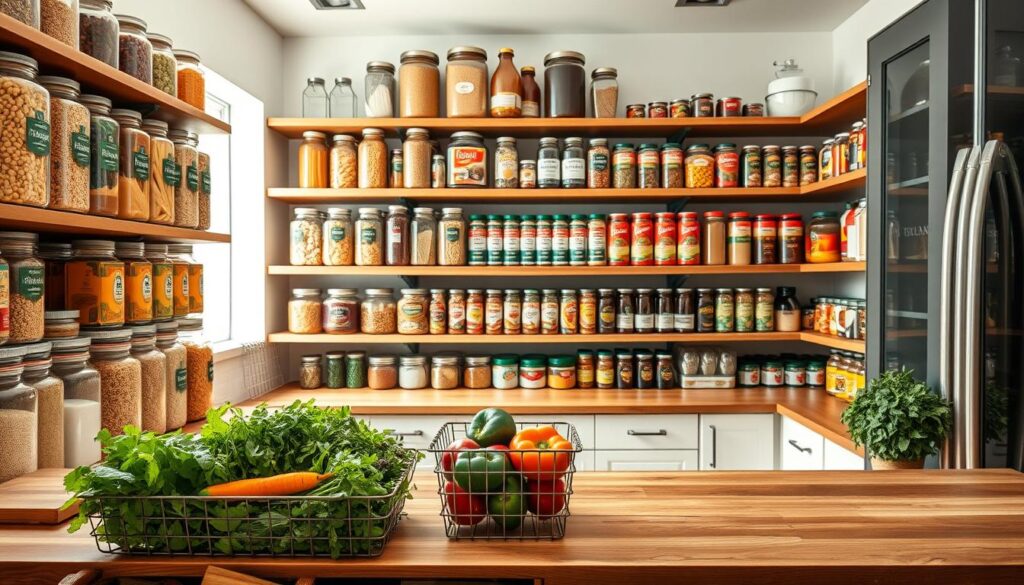
Stocking a Well-Ordered Pantry
Your pantry serves as the cornerstone of efficient cooking. Essential staples like olive oil, spices, and vinegars offer exceptional long-term value despite higher upfront costs.
Group similar items together using clear containers for visibility. Implement a first-in-first-out rotation system to ensure older ingredients get used before newer purchases.
Strategic pantry stocking focuses on versatile staples that work across multiple cuisines. This approach maximizes your investment through countless meal preparations.
Your freezer transforms into a financial asset when organized properly. It preserves sale-priced proteins and batch-cooked dishes that might otherwise spoil.
Before each shopping trip, conduct a thorough inventory of your kitchen spaces. Check pantry shelves, refrigerator contents, and freezer stock to identify actual needs.
Proper storage solutions extend ingredient life dramatically. Airtight containers protect dry goods while clear labeling prevents items from being forgotten.
A well-organized kitchen reduces cooking time and stress considerably. You can quickly locate ingredients and create dishes from what’s already available in your house.
Conclusion
The journey toward economical eating builds confidence through practical skills that make nourishing meals accessible to everyone. These abilities develop naturally with consistent practice.
Creating satisfying dinners requires combining smart planning with flexible cooking. This approach maximizes flavor and nutrition from ingredients that work within your financial plan.
As you implement these strategies, preparing affordable dinners becomes second nature. The current economic environment makes these skills more valuable than ever.
Remember that small changes create significant savings over time. Your success will be measured in dollars saved and the confidence gained from providing nourishing food for your family.
Whether cooking for one or planning dinners for a large household, the principles remain the same: plan ahead, stay flexible, and appreciate simple, well-prepared dishes.