
Exploring the underwater world is an incredible adventure. A successful and safe dive relies heavily on the environment you enter. Understanding what makes for ideal circumstances is crucial for every diver.
Many factors work together to create a great day beneath the surface. These include weather, water clarity, currents, and temperature. Knowing how to assess these elements is powerful knowledge.
This information helps you choose the right time and place for your underwater journey. It reduces risks and significantly improves your overall experience. Proper planning involves checking both surface and subsurface situations.
Our guide will walk you through the key aspects of dive planning. We will cover how weather impacts safety, what affects visibility, and how to read currents. You will learn site selection strategies and smart preparation tips.
While every location and season is different, the core principles remain the same. This article provides actionable advice for selecting destinations and preparing your gear. Combine this knowledge with practical tools for confident, memorable adventures.
Key Takeaways
- Safe and enjoyable underwater exploration depends on environmental factors.
- Optimal circumstances are a combination of weather, visibility, and water movement.
- Proper assessment empowers divers to make smart decisions about when and where to go.
- Evaluating both above and below the surface is a critical part of dive planning.
- Fundamental principles can be applied to adapt to various locations and seasons.
- Strategic preparation based on prevailing elements enhances safety and enjoyment.
Understanding Diving Conditions: Weather, Visibility, and Currents
Before you even suit up, the elements above the water are shaping your underwater experience. A thorough understanding of diving conditions is your first step toward a safe and enjoyable adventure. This involves paying close attention to three main factors.
Weather Impacts on Dive Safety
Weather is the most obvious factor affecting your plans. Strong wind creates rough waves on the surface, making boat travel and entry difficult. Heavy rain can reduce visibility by washing sediment into the water.
Electrical storms are an immediate red flag. Due to seawater’s high conductivity, a lightning strike is extremely hazardous. It is essential to cancel any dive if storms are present or forecast.
While diving in the rain itself is often fine, the accompanying wind and potential for lightning require caution. Always prioritize safety over schedule.
Decoding Underwater Visibility
Underwater visibility refers to how far you can see through the water. It is influenced by light penetration and particles like plankton or silt. Poor visibility not only hides marine life but also poses risks.
Losing sight of your buddy in murky water can lead to dangerous separation. Establish clear communication about positioning before you enter the water. This simple step is a key part of safe diving conditions.
The Power of Currents
Currents can be gentle drifts or powerful flows. Deep ocean currents have the most impact on a diver’s movement. Strong currents make swimming hard and increase air consumption.
They can also separate divers from their group. This is why most charters require a Surface Marker Buoy (SMB). Understanding and adapting to current conditions is essential for a secure and successful dive every time.
Assessing the Best Conditions for Diving
A successful dive begins long before you get wet, with a careful evaluation of the environment. This assessment involves interpreting specific, measurable data to make informed decisions about safety and site selection.
Critical Metrics for Safe Diving
Before any dive, check several key factors. These include currents, visibility, water temperature, and the tides. The prevailing weather is also a primary concern.
Wind and waves significantly impact surface conditions. Light winds (0-7 knots) create calm seas. Moderate winds (8-16 knots) produce chop, requiring protected sites. Strong winds (17+ knots) often mean rough, unsafe seas.
Wave period—the time between peaks—also matters. Long periods (10+ seconds) create smoother swells. Short periods (3 seconds or less) make for a choppy, uncomfortable experience.
Tides are predictable using charts from sources like NOAA. Planning your dive for “slack water,” the period of minimal current between tide changes, offers the calmest conditions.
Utilizing Local Forecasts and Tide Charts
Always consult the weather forecast before your dive day. This ensures you select the right exposure suit and equipment for the anticipated environment. If you are new to an area, talk to local divers. They understand how regional patterns affect site accessibility.
Use reliable tools like Windy for real-time wind visualization and NOAA Marine Forecasts for accurate data. Check forecasts frequently, as situations can change rapidly.
It is wise to have backup dive sites (Plan B or C). Forecast interpretation does not always match reality on-site. This flexible approach maximizes your chances for a great underwater adventure.
Selecting Dive Sites: Tides, Surge, and Water Temperature
The rhythmic rise and fall of ocean tides dictate much of what happens beneath the surface during your dive. These natural cycles affect current strength, water depth, and overall underwater visibility.
How Tides and Surge Affect Dive Site Accessibility
Tidal changes significantly impact dive site entry and exit points. Low tide may expose hazardous rocks, while high tide can open new areas for exploration. Strong currents during tidal shifts challenge surface navigation.
Underwater, tidal currents stir up sediment, reducing visibility. Fighting against strong flow increases exhaustion and air consumption. Entrapment risks around obstacles heighten during peak current periods.
At locations like Blue Heron Bridge, low tides expose more of the site with stronger currents. High tides deepen the water and alter flow patterns. Checking tide schedules helps time your dive perfectly.
Surge presents another challenge, especially for shore entries. This back-and-forth water movement from waves can tumble divers and drag equipment across sand. Fins, masks, and other gear may be lost in powerful surge conditions.
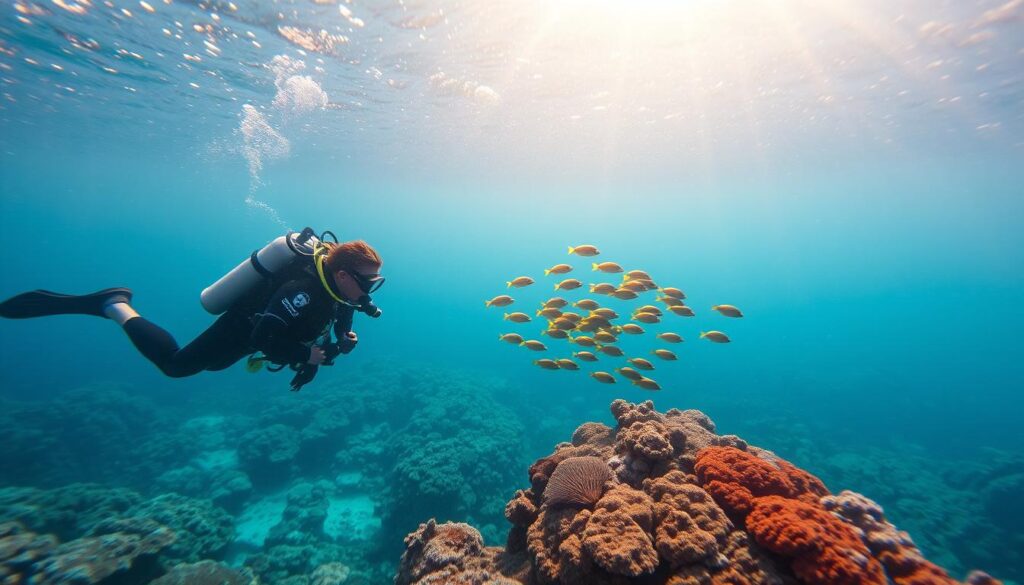
Water temperature varies by location, depth, and season. This directly influences your gear selection. Warm waters may only require a thin 1mm lycra suit for skin protection.
Colder environments demand thicker 3mm wetsuits or more. Extremities account for up to 40% of body heat loss. Proper coverage of hands, feet, and head maintains comfort throughout your dive.
| Water Temperature | Recommended Gear | Safety Considerations |
|---|---|---|
| 75°F+ (24°C+) | 1mm lycra or rash guard | Sun protection, hydration |
| 65-75°F (18-24°C) | 3mm wetsuit | Monitor dive time |
| 55-65°F (12-18°C) | 5mm+ wetsuit, hood, gloves | Cold-water regulator required |
| Below 55°F (12°C) | Dry suit, specialized training | Advanced certification needed |
Always verify your equipment is suitable for the anticipated temperature range. Some regulators may malfunction in cold water environments.
Strategic Tips for Choosing Dive Locations and Preparing Gear
Your final preparation before entering the water determines both safety and enjoyment. Smart planning involves analyzing environmental factors and verifying your equipment.
Wind direction and speed significantly impact your experience. High winds create challenging waves and surface currents. These conditions increase exertion during entry and exit.
Pre-Dive Safety Checks and Equipment Preparation
Always select protected areas that shield you from direct wind exposure. Check forecasts using tools like Windy to monitor changes throughout the day.
Key safety protocols every diver should follow:
- Verify boat pickup procedures in rough wave conditions
- Carry surface marker buoys and signaling devices
- Complete buoyancy training like the SSI Perfect Buoyancy course
- Have backup dive sites ready when conditions change
Heavy rain reduces visibility by stirring sediment. Storms create severe risks with strong winds and rough seas. Always prioritize safety over schedule.
Before every dive, inspect your gear thoroughly. Ensure regulators, BCDs, and exposure suits match water temperature. Communicate dive plans clearly with your team.
Conclusion
Mastering environmental awareness transforms every underwater journey from risky to rewarding. Proper assessment of weather, water clarity, and currents separates memorable adventures from hazardous situations.
This knowledge empowers divers to select optimal time and location. It also guides equipment choices and safety protocols. Even when facing challenging conditions, thorough preparation significantly reduces risks.
Ideal circumstances feature calm winds, mild current flow, and excellent visibility. Yet perfect situations are rare. The true skill lies in adapting to the ocean‘s ever-changing nature.
Consistent monitoring of forecasts before each dive ensures safer surface entries and more enjoyable dives. Never exceed your training limits, regardless of how favorable a site appears.
Building experience through practice and local consultation enhances both safety and enjoyment. With these principles, you can confidently plan extraordinary underwater explorations.