

The way people interact with technology continues to evolve at a rapid pace. Recent shifts in consumer behavior reflect a deeper change in how individuals approach their daily lives. These changes are reshaping everything from media consumption to purchasing decisions across the modern world.
This analysis draws from authoritative research, including the Accenture Life Trends report from October 2024. It also incorporates insights from the Gen Z Trends 2025 study, which highlights this generation’s significant $860 billion U.S. spending power. Understanding these patterns provides valuable intelligence for businesses and individuals alike.
The focus extends across multiple dimensions of contemporary life. Key areas include mobile technology adoption, social media evolution, and wellness integration. There’s also growing emphasis on convenience and connectivity in everyday experiences.
Generational differences play a crucial role, particularly Gen Z’s transformative influence. Broader shifts affect consumers across all demographics, creating new opportunities and challenges. This comprehensive examination explores not just what’s changing, but why these developments matter.
Key Takeaways
- Consumer behavior is undergoing significant transformation driven by technological innovation
- Gen Z represents a powerful demographic with substantial spending influence
- Health and wellness consciousness now extends to digital wellbeing decisions
- Mobile technology and social media continue to evolve rapidly
- Convenience and connectivity remain central to modern consumer expectations
- Understanding these patterns is essential for effective business strategy
- Research from 2024-2025 reveals important shifts in consumer attitudes
Overview of the Evolving Digital Landscape
A profound transformation in user behavior reflects a new era of intentional technology engagement across society. The relationship between consumers and their devices has matured beyond simple adoption.
People now seek meaningful interactions that add genuine value to their daily routines. This shift represents a fundamental change in how media and tools integrate into modern life.
Recent Shifts in Technology and Media
The media ecosystem has fragmented dramatically in recent years. Traditional channels face competition from social platforms and streaming services.
Research from the Accenture Life Trends report shows consumers establishing healthier boundaries with their devices. This conscious approach marks a key trend in current technology usage patterns.
User-generated content sources now offer personalized, on-demand experiences. People carefully evaluate whether new tools improve wellbeing or add complexity.
The US Tech Industry at a Glance
The American tech sector stands at a critical inflection point. Innovation must address what consumers actually need in their complex lives.
Data indicates substantial transformation in consumer expectations across the industry. Purchasing decisions now reflect broader societal changes including privacy concerns.
This evolving landscape provides essential context for understanding current market dynamics. The changes represent foundational attitudes shaping expectations worldwide.
Innovation in Technology and Media
The smartphone revolution created a new paradigm for content consumption and discovery. This shift reflects fundamental changes in how people interact with information and entertainment.
Younger generations lead this transformation with distinct preferences that shape the entire media landscape. Their choices influence platform development and content creation strategies across industries.
The Emergence of Mobile-First Experiences
Mobile devices now dominate how consumers access information and services. Research shows 75% of Gen Zers choose smartphones as their primary technology for daily activities.
This preference makes mobile-optimized experiences essential rather than optional. Companies must design interfaces that work seamlessly on smaller screens.
The mobile-first approach affects everything from shopping to entertainment. Users expect quick, intuitive interactions that match their on-the-go lifestyles.
Social Platforms Redefining Discovery
Social media platforms have evolved beyond simple networking functions. Approximately 40% of Gen Zers now use TikTok and Instagram as search engines for various needs.
This trend represents a seismic shift in discovery behavior. Visual learning preferences drive the move toward video-first content and interactive experiences.
Platforms integrate multiple functions into unified ecosystems. Search, entertainment, and shopping coexist within single applications.
Brands like Adobe Express demonstrate successful adaptation to this trend. They create engaging tutorials specifically for younger audiences on social platforms.
Analyzing Digital Lifestyle Trends in the US Tech Industry
Recent research provides crucial insights into the evolving relationship between American consumers and technology companies. Multiple studies reveal fundamental shifts in how people interact with brands and make purchasing decisions.
Key Insights from Recent Research Reports
Gen Z represents an economic powerhouse with $860 billion in U.S. spending power. Their global influence is projected to reach $12 trillion by 2030.
This generation shows significant skepticism toward corporate motives. Research indicates a 5-to-1 trust deficit regarding whether businesses act in society’s best interests.
The 2022 Global Crowd DNA Study identified five core values driving this demographic. These include making money, having fun, accomplishing goals, health and wellbeing, and prioritizing relationships.
These values directly influence consumer behavior and brand preferences. People seek products that align with their personal ethics and lifestyle choices.
Environmental consciousness significantly impacts purchasing decisions. 64% of Gen Z consumers will pay premium prices for sustainable products, while 25% have ended relationships with unsustainable businesses.
This trend toward values-based consumption presents both challenges and opportunities for the tech industry. Companies must demonstrate genuine commitment to social responsibility to earn consumer trust.
Consumer Behavior Transformations and Market Opportunities
The convenience revolution has reshaped how people approach their most basic daily activities. Since 2020-2023, research shows a 26% increase in Americans eating meals on-the-go. This shift represents more than just changing food preferences.
Fast food has become the go-to option for many people, reflecting broader lifestyle changes. Time scarcity now outweighs other considerations for consumers making daily decisions.
Data-Driven Approaches to Understanding Behavior
Regular fast food eaters exhibit distinct digital habits. They’re 29% more likely to use “buy” buttons on social networks. This presents clear opportunities for brands to optimize social commerce strategies.
These consumers also prefer click-and-collect delivery and guest checkouts. Friction reduction has become critical for conversion across multiple categories.
Understanding consumer behavior patterns allows brands to create seamless experiences. The opportunity lies in recognizing that transformation isn’t uniform across all segments.
Brands that leverage data-driven insights will capture disproportionate market share. They can anticipate needs and deliver convenient solutions that match actual daily routines.
Gen Z’s Influence on Media, Marketing, and Social Engagement
The purchasing habits of today’s youngest adult consumers are rewriting traditional advertising rules. With $860 billion in U.S. spending power, this generation’s preferences shape how brands approach media and marketing strategies.
Mobile-First Content and Social Shopping
Three-quarters of Gen Zers choose mobile devices as their primary technology. This demands seamless, optimized experiences across all platforms.
Social shopping has become a dominant force in their consumer habits. Nearly 50% cite influencer recommendations as critical factors in purchasing decisions.
Authenticity and the Role of Micro-Influencers
Gen Z values genuine connection over polished advertising. About 61% prefer user-generated content to traditional marketing approaches.
Micro-influencers often wield more power than celebrities due to perceived authenticity. Successful brands like Fenty Beauty demonstrate how inclusive marketing resonates with this demographic.
This generation’s media consumption habits require platforms to serve multiple functions simultaneously. Entertainment, discovery, and shopping merge into integrated experiences.
Wellness Trends: Integrating Health with Digital Experiences
A quiet revolution in personal health management is reshaping how Americans approach their wellbeing. Recent data reveals significant changes in how people monitor and improve their physical condition.
Since 2021, the number of Americans reporting excellent health has declined by 22%. Meanwhile, frequent health worries have increased by 17%. This shift reflects genuine challenges requiring new solutions.
The Rise of Proactive Health Management
Chronic conditions show alarming increases across the population. Severe pain has risen 38%, while depression rates climbed 37% since 2020. Backaches and high blood pressure also saw significant jumps.
These statistics drive demand for accessible management tools. Americans are actively seeking lifestyle changes, with a 13% increase in people looking for healthier habits.
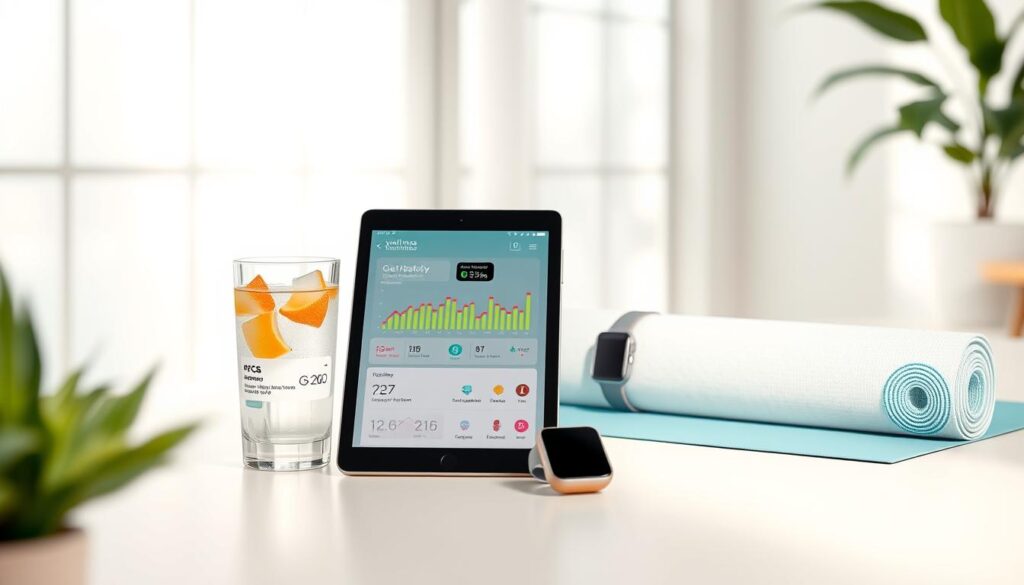
Smartwatch ownership demonstrates this proactive approach. Adoption grew from 12% in 2015 to 37% today. This technology democratizes health tracking across income levels.
People now monitor exercise, sleep, and even screentime more carefully. Tracking increases range from 12% to 21% across different health dimensions. This data empowers informed decisions about daily routines.
The balance between physical and digital wellbeing becomes crucial. Successful health experiences seamlessly fit into people’s lives, making wellness engaging rather than burdensome.
Convenience and Connectivity: Fast-Paced Consumer Trends
Modern consumers increasingly prioritize speed and accessibility over traditional considerations. This shift reflects a fundamental change in how people approach their daily routines.
From 2020-2023, research shows a 26% rise in Americans eating meals on-the-go. Fast food has become the preferred option for many, surpassing restaurant dining.
The Growing Demand for On-The-Go Solutions
Time scarcity drives this convenience-oriented trend. Consumers seek ways to streamline their busy schedules through efficient services.
Regular fast food eaters demonstrate distinct purchasing habits. They’re 29% more likely to value “buy” buttons on social platforms.
This presents a significant opportunity for brands to optimize their offerings. Click-and-collect delivery and guest checkout features appeal to convenience-focused consumers.
The demand extends beyond food to all consumer services. People expect seamless experiences across multiple devices and platforms.
Brands that minimize friction and respect customers’ time will succeed. Understanding this shift allows companies to create better solutions for modern lifestyles.
Strategic Implications for Brands in a Digital World
The trust deficit between businesses and younger consumers creates both obstacles and opportunities for forward-thinking brands. Companies must rethink their approach to building relationships in this new environment.
Leveraging User-Generated Content and Engagement
Authenticity drives modern marketing success. About 61% of consumers prefer user-generated content over traditional advertising because it feels genuine.
Brands like Starbucks demonstrate effective strategies by featuring real customer experiences. They share customer-made reels that showcase products in relatable ways.
This approach builds community and captures attention on crowded social platforms. Engagement becomes more meaningful through two-way communication.
Aligning Brand Values with Consumer Expectations
Younger shoppers expect companies to serve society, not just sell products. Research shows a 5-to-1 trust deficit regarding business intentions.
Values alignment directly impacts purchasing decisions. 64% of Gen Z consumers will pay premium prices for sustainable offerings.
Fenty Beauty set new standards with 40 foundation shades and diverse models. This authentic commitment to inclusion resonates deeply with modern customers.
Brands must ensure their values extend beyond marketing into actual business practices. Consistency across all touchpoints maintains consumer trust.
Conclusion
The intersection of consumer values and technological capabilities defines our current era. These developments represent more than temporary shifts—they reflect fundamental changes in how people live and interact with the world around them.
Gen Z’s substantial economic power continues to reshape market expectations. Their demand for authentic brand relationships and ethical business practices creates both challenges and opportunities.
The most forward-thinking companies recognize that success requires genuine alignment with customer values. They create meaningful experiences that respect people’s time and attention while delivering real value.
Looking ahead, the brands that thrive will be those that understand these patterns as reflections of evolving human needs. They will focus on building trust through consistent action rather than marketing claims.
These interconnected developments will continue influencing consumer behavior across all industries. Organizations that maintain focus on these changes will position themselves for sustained relevance and impact.