
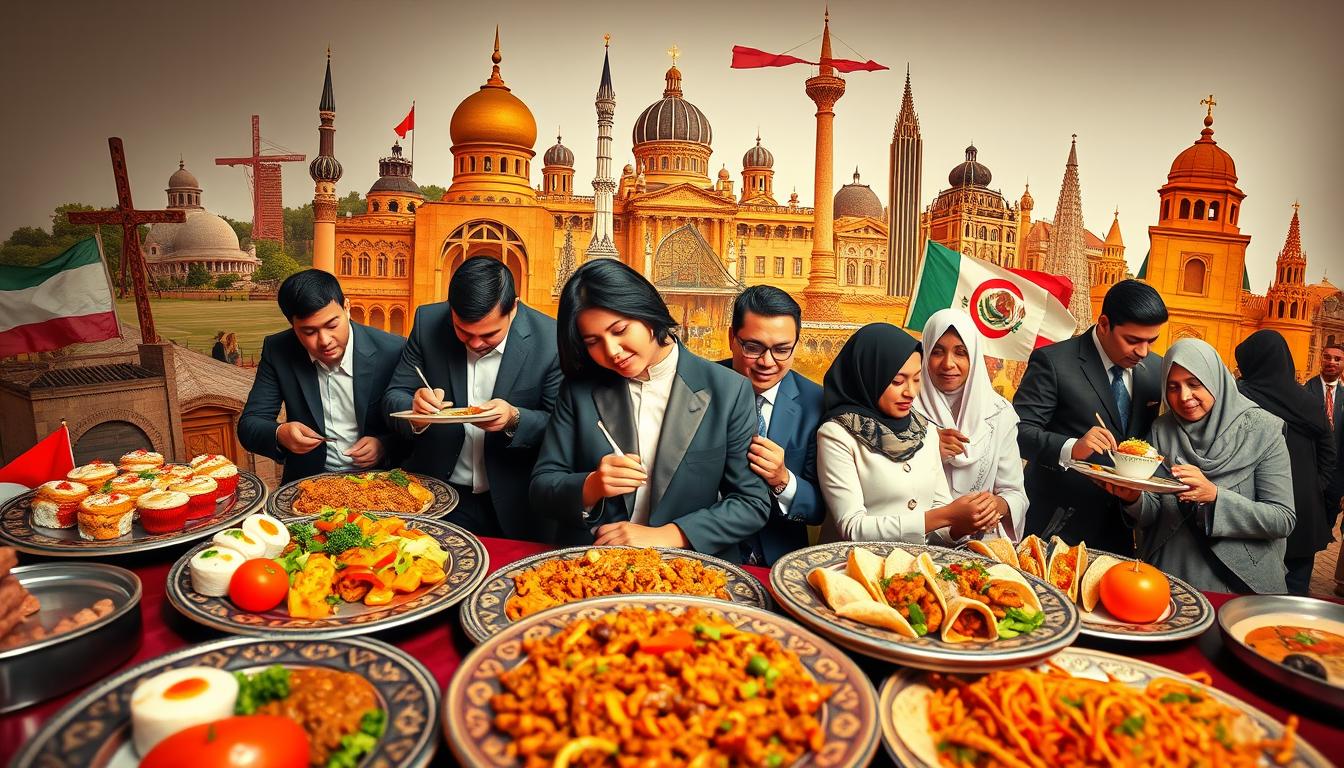
Food is a universal language, but how we approach it varies dramatically across the globe. These differences in daily nourishment are more than just taste preferences. They are deeply rooted in culture, history, and local environment.
Research reveals a stark contrast in health outcomes. In the United States, the obesity rate is 42.7%. Heart attacks occur every 40 seconds. Yet, many populations following traditional dietary patterns show significantly lower rates of these conditions.
This suggests that our relationship with food is a powerful factor in wellbeing. Cultural practices surrounding meals have evolved over centuries. They are shaped by geography, available resources, and generations of wisdom.
This guide explores these diverse culinary traditions. We will look at how different cultures structure meals and select ingredients. The goal is to uncover practical lessons for improving health, no matter where you live.
Key Takeaways
- Cultural traditions significantly influence dietary patterns and overall health outcomes.
- There is a major global disparity in obesity rates and chronic disease prevalence.
- Traditional diets, shaped by local resources and wisdom, often promote better longevity.
- Understanding global food practices can offer valuable strategies for personal health improvement.
- Meal structure, ingredient choice, and eating rhythm are key elements learned from cultural studies.
Introduction to Global Eating Habits
Cultural approaches to nourishment offer a window into how different populations have optimized wellbeing through food traditions. These practices reflect centuries of adaptation to local environments.
| Region | Obesity Rate | Heart Disease Prevalence | Life Expectancy |
|---|---|---|---|
| United States | 42.7% | High | 78.8 years |
| Japan | 4.3% | Low | 84.6 years |
| Mediterranean Region | 20-25% | Moderate | 82.3 years |
| Scandinavian Countries | 18-22% | Low-Moderate | 81.9 years |
Since 2000, obesity rates in the United States have climbed steadily. Approximately 40% of American adults now have obesity. Experts predict this could reach 50% by 2030.
“Traditional food cultures represent accumulated wisdom about what sustains communities best. They balance nutrition with pleasure and social connection.”
This contrasts sharply with populations maintaining ancestral dietary patterns. Their lower chronic disease rates suggest modern changes carry significant health costs. Understanding these differences provides valuable insights for improving personal wellbeing.
The following sections explore specific cultural practices that promote longevity. We’ll examine meal timing, portion control, and ingredient selection across various societies.
The Cultural and Health Benefits of Diverse Diets
Modern science confirms what many cultures have known for generations. Specific food traditions offer remarkable protection for the body.
These patterns are more than just recipes. They are holistic systems developed over centuries.
Scientific Insights and Nutritional Evidence
Research strongly links traditional diets to lower risks of chronic conditions. The Mediterranean pattern, for example, is famous for supporting heart health.
Studies show it can improve blood sugar control and reduce the risk of type 2 diabetes. It is also associated with a lower chance of certain cancers and neurodegenerative diseases.
The French focus on pleasure, not just health, yet enjoy lower obesity rates. The Okinawan diet promotes longevity through low-calorie, nutrient-rich foods.
This table summarizes key health benefits linked to well-studied cultural diet patterns.
| Dietary Pattern | Primary Health Focus | Key Protective Benefit |
|---|---|---|
| Mediterranean | Heart & Cognitive Function | Reduced risk of heart disease and Alzheimer’s |
| Okinawan | Longevity | Lower rates of chronic disease |
| Traditional French | Metabolic Health | Lower obesity and cardiovascular disease |
Cultural Traditions That Promote Wellbeing
Cultural wisdom often creates synergistic food combinations. Pairing rice with beans creates a complete protein. Eating iron-rich vegetables with vitamin C sources boosts absorption.
These traditions provide optimal nutrition without complex rules. They include fermented foods and healing spices that support gut health.
The benefits extend beyond physical health. They foster social connection and preserve cultural identity. This holistic approach is a key to their success.
Exploring “eating habits around the world”>
From sunrise to sunset, cultural practices surrounding meals demonstrate unique adaptations to local environments and resources. These patterns reflect centuries of wisdom about sustainable nourishment.
Different societies have developed distinct approaches to meal structure and ingredient selection. The table below highlights key characteristics of four major dietary patterns.
| Dietary Pattern | Primary Ingredients | Meal Structure | Health Focus |
|---|---|---|---|
| Mediterranean | Olive oil, vegetables, fish | Multiple small courses | Heart health |
| Asian | Rice, fermented foods, seafood | Rice-centered meals | Longevity |
| Nordic | Seasonal produce, fish, berries | Simple, hearty portions | Seasonal nutrition |
| Latin American | Beans, corn, tropical fruits | Bean-based combinations | Balanced energy |
Each pattern offers valuable lessons about sustainable nourishment. They prioritize whole foods and mindful consumption practices.
Understanding these diverse approaches helps identify universal principles for healthy living. The wisdom spans beyond specific ingredients to encompass overall lifestyle choices.
Mediterranean Meal Timing for Optimal Digestion
The timing of daily nourishment plays a crucial role in digestive efficiency. Mediterranean cultures have perfected this art through centuries of practice.
Spanish and Italian traditions center around consuming the largest meal at midday. This practice aligns with the body’s natural metabolic peaks.
Midday Meals and Metabolic Health
Research shows that eating heavily during daylight hours improves metabolic function. The body processes food more efficiently when active.
This timing allows several hours for digestion before sleep. It prevents the discomfort and sleep disruption common with late dinners.
The table below shows how meal timing affects key health markers:
| Meal Timing | Digestion Efficiency | Blood Sugar Impact |
|---|---|---|
| Large midday meal | High | Stable |
| Large evening meal | Low | Spikes |
| Light evening meal | Optimal | Balanced |
Evening meals in Mediterranean cultures are typically light. Simple soups, salads, or small tapas portions are common.
This pattern supports healthy weight maintenance without strict dieting. It represents one of the simplest modifications for better metabolic health.
Japanese Hara Hachi Bu: Eating Mindfully
One of the world’s most effective approaches to sustainable weight management comes from a centuries-old Japanese tradition. The Okinawan principle of Hara Hachi Bu means “eat until you’re 80% full.” This simple guideline helps explain the island’s remarkable longevity statistics.
This practice works because it takes about 20 minutes for the body to recognize fullness. Stopping at 80% capacity allows time for these signals to reach the brain. The result is comfortable satisfaction without overeating.
Research shows dramatic differences between eating paces. The table below highlights key health impacts:
| Eating Speed | Fullness Recognition | Average Calorie Intake | Obesity Risk |
|---|---|---|---|
| Fast | Delayed (30+ minutes) | 15-20% higher | Significantly increased |
| Moderate | Normal (20 minutes) | Appropriate | Average |
| Slow (Hara Hachi Bu) | Optimal (15-20 minutes) | Naturally controlled | Substantially reduced |
Japanese food culture enhances this practice through visual presentation. Small portion sizes on appropriately sized plates create natural calorie control. Colorful seasonal vegetables make each meal visually appealing and satisfying.
“The 20% gap between satisfied and stuffed makes all the difference for lifelong health management.”
This approach reduces calories without restrictive dieting. People who eat slower show lower obesity rates and better metabolic health. Adopting Hara Hachi Bu requires resisting the urge to clean your plate completely.
The benefits extend beyond weight management to improved digestion and overall wellbeing. This mindful practice represents a sustainable approach to health that anyone can adopt.
French Focus on Quality Over Quantity
France offers one of nutrition’s most intriguing mysteries with its approach to rich foods and health. Despite regular consumption of cheese, bread, and wine, French obesity rates remain significantly lower than in many Western nations.
The secret lies in choosing small portions of high-quality ingredients over large quantities of processed alternatives. A thin slice of authentic Camembert provides more satisfaction than an entire tub of imitation cheese product.
This approach naturally controls calorie intake without restrictive dieting. French culture emphasizes savoring meals as pleasurable experiences rather than viewing food through a health-obsessed lens.
| Aspect | French Approach | American Approach | Health Impact |
|---|---|---|---|
| Portion Size | Small, high-quality | Large, processed | Better weight management |
| Food Mindset | Pleasure-focused | Health-obsessed | Lower stress around meals |
| Ingredient Quality | Authentic, traditional | Processed, convenient | Higher nutrient density |
| Meat & Fats Consumption | Moderate, quality sources | High, conventional sources | Better cardiovascular outcomes |
French eating patterns demonstrate that enjoyment and health are compatible goals. The tradition of walking or biking for daily transportation further supports metabolic function.
Adopting this philosophy means investing in better ingredients and taking time to savor each meal. This creates natural satisfaction with smaller, more nutritious portions.
Nordic Seasonal Eating and Local Ingredients
Seasonal availability dictates Nordic food selection, creating a dynamic dietary pattern that evolves throughout the year. Scandinavians embrace what grows locally during each season, ensuring optimal nutrient intake through natural cycles.
Seasonal Produce and Nutrient Density
Summer brings fresh berries and vibrant vegetables at their nutritional peak. Winter features preserved fish, fermented foods, and hearty root vegetables. This approach ensures consumption of foods when they contain maximum vitamins and antioxidants.
Blueberries harvested in season contain significantly more beneficial compounds than out-of-season counterparts. The Nordic emphasis on local ingredients naturally creates dietary diversity as available foods change throughout the year.
Rye bread serves as a Nordic staple loaded with fiber that promotes satiety. It supports digestive health and stabilizes blood sugar better than refined alternatives. Abundant fish rich in omega-3s complements the whole grain foundation.
This traditional diet pattern links to improved cardiac health and reduced inflammation. The variety of seasonal vegetables and whole ingredients creates a sustainable approach to nourishment. Fresh vegetables consumed at peak freshness deliver superior nutritional value.
Korean Banchan: An Array of Small, Nutritious Dishes
Korean dining presents a unique nutritional strategy through its tradition of banchan, multiple small side dishes served with every meal. This system automatically creates dietary diversity without conscious effort.
A traditional table features 8-12 different vegetable preparations alongside the main course. This ensures consumption of a wide spectrum of vitamins and minerals.
Fermented Foods and Probiotics Benefits
Kimchi and other fermented foods deliver probiotics with every bite. These beneficial bacteria support gut health and enhance nutrient absorption.
The variety of vegetables in banchan provides abundant fiber and antioxidants. Different preparation methods preserve nutrients while adding flavor.
| Aspect | Korean Approach | Typical American Approach | Health Impact |
|---|---|---|---|
| Meal Composition | 8-12 small dishes | 1-2 main items | Automatic nutrient diversity |
| Fermented Foods | Daily consumption | Occasional | Superior digestive health |
| Protein Sources | Tofu, seafood, poultry | Red meat heavy | Lower heart disease risk |
| Vegetables per Meal | Multiple types | Limited variety | Broader phytonutrient intake |
“The banchan system turns variety from a conscious effort into an effortless daily practice.”
Korean cuisine emphasizes low-fat protein sources and moderate rice portions. This combination supports South Korea’s remarkably low heart disease rates.
Adopting this approach means incorporating more small dishes into meals. The benefits extend from improved digestion to better immune function.
Indian Spice Integration: Flavor and Health Benefits>
Indian culinary traditions transform everyday cooking into a therapeutic experience through the strategic use of medicinal spices. Rather than separating flavor from function, this approach integrates wellness directly into meals.
Turmeric stands as the golden star of Indian ingredients, containing curcumin with powerful anti-inflammatory properties. Ginger naturally supports digestion, while cumin helps regulate blood sugar levels. These herbs work synergistically within traditional dishes.
The health benefits extend beyond individual spices to comprehensive wellness. Regular consumption of these ingredients in Indian cuisine supports cardiovascular function and reduces inflammation. Aromatic herbs like garlic and onions provide additional protective effects.
This natural integration proves more effective than isolated supplements. Combining spices with fats during cooking enhances bioavailability. The therapeutic compounds deliver their benefits in the most absorbable form.
Adopting this approach means building a diverse spice cabinet. Start by adding turmeric to rice and soups, using ginger in teas, and experimenting with spice blends. Gradually increase turmeric usage as your palate adapts to these beneficial ingredients.
Greek Olive Oil: Embracing Healthy Fats
The Greek approach to dietary fats challenges conventional wisdom by celebrating rather than restricting this essential nutrient. Greeks consume about 24 liters of olive oil per person annually, more than any other population.
This liquid gold forms the foundation of their cuisine, replacing processed vegetable oil and butter. The table below shows key health benefits of this approach.
| Component | Function | Health Impact |
|---|---|---|
| Monounsaturated Fats | Improve cholesterol levels | Heart disease prevention |
| Polyphenols (30+ types) | Reduce inflammation | Chronic disease protection |
| Antioxidants | Protect cells | Longevity support |
Extra virgin olive oil contains powerful compounds that support heart health. These fats help maintain healthy cholesterol levels while providing satisfaction.
Greek longevity averages 85 years for women and 80 for men. Their generous use of quality olive oil demonstrates that the right fats promote wellbeing when used abundantly.
Vietnamese Broth-Based Meals for Light Nutrition
Clear, aromatic broths form the heart of Vietnamese cuisine, offering a unique path to balanced nutrition. Unlike heavy cream-based soups, these light preparations provide satisfaction without excessive calories.
Traditional phở and other broth dishes demonstrate remarkable nutritional intelligence. Slow-simmered bones release collagen and minerals that support joint and gut health.
| Feature | Vietnamese Broth Approach | Western Cream Soup Approach | Health Impact |
|---|---|---|---|
| Base Ingredient | Bone broth, herbs | Cream, butter | Lower saturated fat |
| Cooking Time | Hours of simmering | Quick preparation | Enhanced nutrient extraction |
| Final Additions | Fresh herbs, lime | Heavy creams | Preserved vitamins |
| Protein Sources | Thin meat slices, fish | Often meat-heavy | Better portion control |
The health benefits extend throughout the digestive system. Warm broth aids enzyme function while gelatin supports gut lining integrity.
“Vietnamese broth cooking represents centuries of wisdom about light yet complete nourishment.”
Fresh herbs added at serving retain maximum nutritional value. This approach creates meals that hydrate while delivering protein and vitamins.
Adopting Vietnamese-inspired broth meals means appreciating simplicity. The result is satisfying food that supports healthy digestion without heaviness.
Mexican Bean Prominence for a Balanced Diet
The prominence of beans in Mexican cooking demonstrates how simple ingredients can deliver comprehensive health benefits. These humble legumes form the foundation of countless traditional dishes.
Beans provide exceptional nutritional value. One cup delivers nearly 15 grams of fiber and substantial plant-based protein.
Beans as Essential Protein and Fiber Sources
Traditional Mexican cuisine utilizes beans as primary protein sources. This approach reduces reliance on animal meat while providing complete nutrition.
| Nutrient | Black Beans (1 cup) | Daily Value % | Health Benefit |
|---|---|---|---|
| Fiber | 15 grams | 60% | Digestive health |
| Protein | 15 grams | 30% | Muscle maintenance |
| Iron | 20% DV | 20% | Oxygen transport |
| Potassium | 17% DV | 17% | Blood pressure |
The combination of fiber and protein creates lasting fullness. This stabilizes blood sugar and provides sustained energy throughout the day.
Research confirms that bean consumption supports heart health and weight management. Traditional preparation methods maximize these benefits.
Choosing dried or low-sodium canned beans avoids unnecessary fats. This preserves the nutritional advantages of these versatile legumes.
Social Dining Traditions: Ethiopian and Italian Practices
Communal dining traditions demonstrate how social context shapes nutritional behaviors. These practices create natural controls that benefit both physical and emotional wellbeing.
Communal Eating and Portion Control
Ethiopian culture centers around the mesob, a shared platter where multiple people enjoy the same meal. This approach creates automatic awareness of portion sizes as everyone takes their fair share.
Research shows that eating with others reduces overall consumption while increasing satisfaction. The social setting encourages mindful consumption rather than rushed overeating.
Traditional injera bread serves as both plate and utensil. Made from teff grain, it provides iron, fiber, and protein. This nutrient-dense foundation supports digestive health.
Building Social Bonds Through Food
Italian traditions similarly emphasize family meals as bonding opportunities. Multiple generations gather for relaxed dining experiences that prevent stress-driven consumption.
These social meals transform nourishment into meaningful connection. The practice builds community while naturally moderating food intake.
Adopting communal principles means prioritizing shared meals and serving food on platters. This creates distraction-free environments that support both nutrition and relationships.
Chinese Hot Tea Rituals for Digestive Health
Chinese dining culture incorporates a sophisticated beverage tradition that significantly enhances the meal experience. Warm tea accompanies most meals, particularly oolong and pu-erh varieties known for their digestive properties.
Unlike ice-cold beverages that can shock the system, warm tea supports optimal enzymatic function. The gentle heat maintains ideal temperature for nutrient processing.
Traditional Chinese teas contain powerful polyphenols that help break down dietary fats. These compounds offer antioxidant protection and support metabolic processes.
| Tea Variety | Primary Benefit | Research Finding |
|---|---|---|
| Oolong | Fat metabolism | Enhances calorie burning |
| Pu-erh | Cholesterol management | Improves lipid profiles |
| Green Tea | Antioxidant support | Reduces inflammation |
Studies show regular tea drinkers maintain healthier body weights. They also experience lower rates of heart disease.
“The ritual of refilling small tea cups transforms dining into a mindful practice that naturally regulates pace and portion awareness.”
This approach contrasts with Western habits of sugary drinks. Adopting Chinese tea rituals means choosing warm, unsweetened varieties during meals.
The benefits extend beyond immediate digestion to long-term health protection. Simple beverage choices can significantly impact overall wellness.
Global Perspectives on Healthy Eating Practices
The remarkable diversity of human nourishment demonstrates multiple paths to optimal health. Different cultures have developed unique dietary patterns that support longevity and wellbeing.
Healthy diets worldwide share fundamental principles despite using different ingredients. They prioritize whole foods, abundant vegetables, and quality fats.

The Mediterranean, Okinawan, and Nordic patterns all emphasize plant-based foods and minimal processing. These traditional diets link to lower rates of chronic disease.
Conversely, modern Western diets high in processed foods show poorer health outcomes. Lifestyle factors like physical activity complement nutritious eating patterns.
Learning from global practices means identifying universal principles for better health. The future involves combining the best elements from various cultural traditions.
Conclusion
The collective wisdom of international cuisines reveals fundamental principles for lifelong vitality and disease prevention. Diverse cultural patterns demonstrate that multiple pathways lead to optimal health when dietary practices prioritize whole foods and mindful consumption.
Creating your personalized approach means mixing elements that work for your lifestyle. Combine Mediterranean timing with Korean vegetable variety, French quality focus with Japanese portion awareness. This flexible strategy maintains enjoyment while delivering profound health benefits.
Traditional practices offer advantages no supplement can replicate. They address nutritional composition, eating pace, and social context. These time-tested approaches support heart function, blood sugar control, and healthy body weight.
Healthy diet choices remain achievable anywhere. Focus on whole foods, quality fats, plant protein, and abundant vegetables. Experiment with new ingredients and preparation methods to discover what works best for your long-term wellbeing.