
Many home chefs work hard but don’t get the results they want. Experienced professionals notice the same errors happening again and again. The good news is that these problems are often easy to fix.
This guide explores the main issues that hold people back in the kitchen. We cover everything from basic skills to managing heat and flavor. You will learn professional solutions that deliver real improvements.
Chefs with decades of experience share what separates amateur meals from restaurant-quality food. Each problem we discuss comes with clear, actionable steps. You can start using these tips right away to see a difference.
Addressing these fundamental areas leads to better flavor, texture, and presentation. You will gain confidence and develop a better feel for preparing food. Let’s turn those kitchen frustrations into successes.
Key Takeaways
- Many home kitchen failures stem from a small number of repeated, correctable errors.
- Professional chefs identify issues with technique, ingredient use, and equipment.
- Learning from these frequent pitfalls is a fast track to significant improvement.
- Solutions are practical and can be implemented immediately for better outcomes.
- Correcting these areas enhances the flavor, texture, and appearance of your dishes.
- Gaining this knowledge builds intuition and confidence in your culinary abilities.
Introduction
The journey from adequate dishes to exceptional meals begins with mastering basic kitchen techniques. Professional cooks emphasize that great results come from fundamental skills rather than expensive ingredients or complex methods. One restaurant owner with 15 years of experience shares this insight.
Many home cooks believe premium components are necessary for success. However, starting with affordable items and working upward proves more effective. The real key lies in repeated practice of one recipe to understand ingredient interactions.
This approach helps develop cooking intuition over time. Understanding why techniques work builds confidence for adapting recipes and troubleshooting issues. The goal is consistent improvement rather than perfection.
These patterns occur across all experience levels, from beginners to those preparing family meals for years. The good news is that simple solutions exist that don’t require special equipment. Professional wisdom distilled into practical advice can deliver immediate better outcomes.
Temperature Matters: Using an Instant Read Thermometer
The difference between perfectly cooked and disappointing meals often comes down to one simple tool: accurate temperature measurement. Professional kitchens rely on scientific data rather than guesswork when determining doneness.
Why Accurate Temperature is Critical
Every piece of meat has unique characteristics. Density, moisture content, and starting temperature vary significantly. Timing alone cannot account for these differences.
Using a thermometer provides precise data. This eliminates the uncertainty that leads to undercooked or overcooked results. The tool gives you control over the final outcome.
Understanding Carry-Over Cooking
Carry-over cooking occurs when residual heat continues to raise the internal temperature after removal from heat. This phenomenon is especially noticeable with larger cuts.
For optimal results, remove meat from the oven 5-10 degrees before your target temperature. Large roasts can continue rising for 15-20 minutes. Understanding this process prevents overcooking.
| Meat Type | Target Temperature | Remove From Heat | Final Temperature |
|---|---|---|---|
| Beef (Medium Rare) | 130°F | 120-125°F | 130-135°F |
| Chicken Breast | 165°F | 155-160°F | 165°F |
| Pork Loin | 145°F | 135-140°F | 145°F |
| Salmon Fillet | 125°F | 115-120°F | 125°F |
Investing in a quality digital thermometer delivers immediate improvements. Models that read in 2-3 seconds provide real-time feedback. This tool transforms uncertainty into confidence.
Letting Meat Rest for Flavor and Moisture
One of the most overlooked steps in preparing juicy, flavorful meat happens after the heat is turned off. The resting period allows proteins to relax and reabsorb moisture that was pushed toward the center during the cooking process. This simple waiting time makes a dramatic difference in your final results.
When heat is applied, muscle fibers contract and squeeze out precious juices. Cutting into meat immediately causes this moisture to flood onto your cutting board. The red liquid that appears isn’t blood but myoglobin, a protein that gives meat its color.
How Long Should Meat Rest?
The resting time depends on the size of your cut. A standard 12-ounce steak needs at least 15 minutes. Larger roasts over 3 pounds require 30 minutes to an hour. Professional chefs build this waiting period into their overall schedule.
Your meat won’t get cold during this time. Large cuts retain heat well, often dropping only 8-10 degrees over an hour. You can tent meat loosely with foil to maintain warmth without softening crispy exteriors.
Monitor the process by leaving a probe thermometer in place. When the temperature stabilizes and begins dropping, your meat is ready. This scientific approach to meat resting ensures perfect results every time.
Sautéing Success: Avoiding Burnt Butter While Cooking
The quest for golden-brown perfection in the pan is frequently derailed by the premature burning of milk solids. This creates a bitter flavor that can ruin an otherwise excellent dish. Understanding the science behind fats is the key to sautéing success.
Choosing Between Butter and Clarified Butter
Butter is a complex ingredient. It contains water, milk solids, and pure butterfat. The milk solids are the culprit; they burn at a relatively low temperature, around 250°F.
This is a problem because proper browning, known as the Maillard reaction, needs a hotter pan—between 310°F and 360°F. Regular butter simply cannot handle this level of heat.
“The Maillard reaction is responsible for the complex, savory flavors we associate with perfectly seared meat and roasted vegetables.”
A persistent myth suggests mixing butter with olive oil raises its smoke point. This is false. Adding oil only slows down the heating process. The milk solids will still burn at their low temperature, spoiling your food.
The best way to get buttery flavor at high heat is to use clarified butter, or ghee. This is pure butterfat with the milk solids and water removed.
Clarified butter has a smoke point of about 485°F. This allows for safe, effective sautéing and searing. You can buy it pre-made or easily prepare it at home by gently melting butter and skimming off the solids.
Knife Skills: Sharpen Your Tools and Use Proper Grip
Professional kitchens operate with surgical precision, and the foundation of that precision lies in properly maintained cutting tools. Many people don’t realize that dull blades actually increase injury risk. They require more force, leading to slips and loss of control.
Understanding the difference between honing and sharpening is crucial. The steel rod in your knife block is for honing, not sharpening. It realigns the microscopic teeth on your blade’s edge but doesn’t create a new edge.
Sharpening Techniques and Tools
When teeth break off your blade, you need actual sharpening. Use a whetstone soaked in water for twenty minutes. Draw the blade across at a twenty-degree angle in decreasing repetitions.
Start with thirty strokes per side, then fifteen, eight, four, and two. This process creates a new, sharp edge. Many chefs sharpen their knives every three months with regular use.
Proper Knife Holding Strategies
The way you hold your knife dramatically affects control and safety. Use the “blade grip” by pinching the blade between thumb and forefinger. This provides far better stability than gripping only the handle.
Avoid placing fingers on top of the blade, which reduces precision. The proper grip gives you maximum control for all cutting tasks. It makes prep work faster and safer.
Investing time in maintaining your knives pays off in the long run. Sharp knives make everything from vegetable prep to meat cutting more efficient. They’re essential tools for anyone serious about food preparation.
Identifying Common Cooking Mistakes: Tips for Better Cooking
Even professionally published recipes can contain errors that derail home cooks’ efforts. One chef’s sourdough recipe included excessive salt that destroyed the yeast. This demonstrates that blind faith in any instructions can lead to disappointment.
Many people struggle with finding the right balance. Some follow every detail without tasting or adjusting. Others make dramatic changes before understanding the technique.
Halving salt or doubling butter based on feeling creates unpredictable outcomes. The solution lies in developing intuition through practice. Chefs recommend mastering one dish through repetition.
Attempting new, complex dishes for guests without practice is another frequent problem. Professionals suggest testing recipes multiple times with family first. This approach builds confidence and ensures success.
| Approach | Potential Issue | Better Strategy |
|---|---|---|
| Following recipe exactly | May not account for ingredient variations or errors | Taste and adjust gradually as you learn |
| Making major changes immediately | Alters chemical reactions and texture | Master the original method first |
| Testing new dishes on guests | Increased pressure and potential failure | Practice with family multiple times |
View each kitchen experience as a learning opportunity. Developing skills requires patience and repeated effort. The goal is progress, not perfection.
Aromatics Done Right: Adding Garlic, Onions, and Herbs
The foundation of countless savory dishes begins with properly cooked aromatics. Many home chefs struggle with timing when adding these flavor-building ingredients to the pan. This creates a significant problem that affects the entire dish.
Garlic burns extremely quickly due to its volatile essential oils. Adding it at the same time as onions and other vegetables guarantees bitter results. The delicate nature of garlic requires careful timing.
The Right Order for Sautéing Aromatics
Start with heartier ingredients like onions, carrots, or celery in hot oil. Cook them for 3-5 minutes until the onions become translucent. This allows them to release moisture and soften properly.
Only then should you add garlic to the pan. Cook it for just 1-2 minutes until fragrant. This sequential approach builds layered flavor without burning delicate ingredients.
Many people fear browning their onions, removing them from heat while still pale. True caramelization develops rich sweetness but requires patience—often 45 minutes to over an hour.
This technique works for pasta sauces, rice dishes, and countless other recipes. Understanding aromatic timing transforms basic ingredients into complex flavor foundations.
Avoiding Overcrowding: Keeping Your Pan at Optimal Temperature
Professional chefs know that proper spacing in the pan makes all the difference between steaming and searing. When you add too much food at once, the temperature drops dramatically. This prevents the chemical reactions that create flavorful browning.
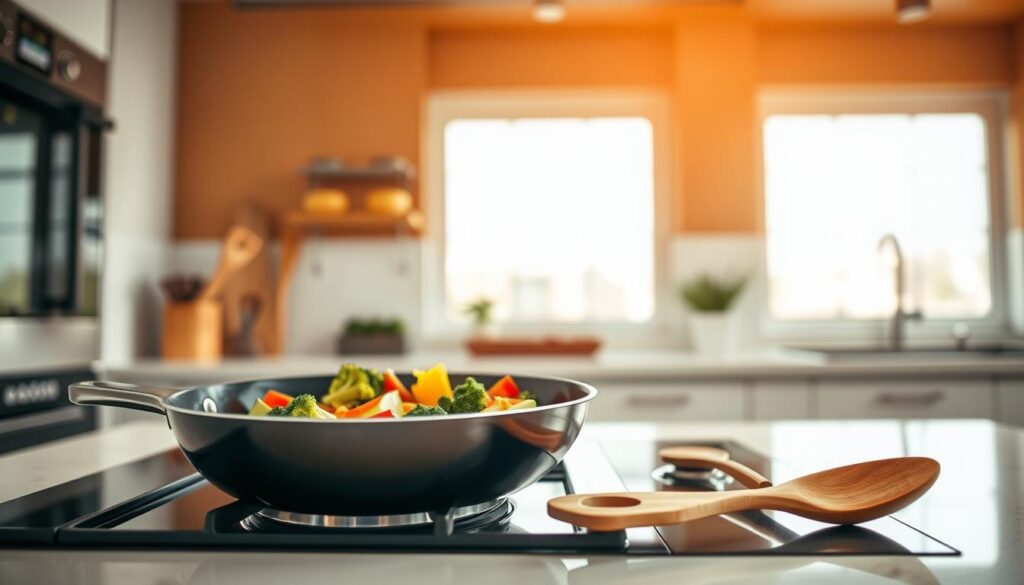
The Maillard reaction requires temperatures between 330°F-350°F to work effectively. Each piece of cold food added to a hot surface lowers the overall heat. Overcrowding causes food to steam rather than develop that desirable crust.
This is one of the most frequent mistakes home cooks make with vegetables, meat, and even pasta dishes. The solution involves cooking in batches rather than trying to prepare everything simultaneously. Give each piece enough room to breathe in the pan.
Proper preheating is equally important. A lukewarm pan will never reach the necessary temperature for good browning. However, cranking the burner to maximum heat often burns the exterior while leaving interiors undercooked.
The best way involves moderate high heat with adequate preheating time. This approach maintains consistent temperature throughout the cooking process. Your food will develop better texture and flavor when each piece has sufficient space.
Seasoning and Tasting: Enhancing Flavor Step by Step
Professional kitchens consistently produce superior flavor through a systematic approach to salt, acid, and fat balance. Many home-prepared dishes taste bland because recipes often understate proper seasoning requirements.
The most frequent issue is insufficient salt usage. Home cooks typically add a tiny pinch to food meant for multiple people. Professional chefs season at every stage of the cooking process.
Seasoning Strategies Throughout the Cooking Process
Building layers of flavor requires adding salt as ingredients are incorporated. This technique allows seasoning to penetrate deeply into the food. Simply adding all salt at the end creates a superficial flavor.
Continuous tasting is essential while preparing any dish. Your tongue is the best kitchen tool because salt, acid, and heat levels change during cooking. A cook who doesn’t taste is essentially working blind.
Balancing Acidity, Salt, and Fats
When food tastes flat despite adequate salt, it usually needs acidity. A squeeze of lemon juice or splash of vinegar can dramatically brighten flavors. This is particularly effective for rice, pasta, and rich dishes.
Professional cooking uses significantly more butter and oil than home cooks expect. The balance between salt, acid, and fat creates complex, satisfying results. Understanding this relationship transforms basic ingredients.
| Salt Type | Intensity Level | Best Uses | Dissolving Speed |
|---|---|---|---|
| Kosher Salt | Medium | General cooking, meat seasoning | Fast |
| Table Salt | High | Baking, precise measurements | Very fast |
| Sea Salt | Variable | Finishing, garnish | Medium |
| Himalayan Pink Salt | Mild | All-purpose, subtle seasoning | Slow |
Recipes are starting points that require adjustment based on your specific ingredients and equipment. Develop your palate through practice and careful tasting. The goal is balanced flavor rather than simply following instructions.
Proper Use and Maintenance of Your Kitchen Tools
Your kitchen tools are long-term investments that deserve proper care to maintain their performance. Understanding how to handle different materials prevents damage and ensures consistent results. Simple routines can extend the life of your equipment significantly.
Caring for Non-Stick, Cast Iron, and Stainless Steel
Non-stick pans require gentle treatment. Never use metal utensils that can scratch the coating. Choose wooden spoons or plastic spatulas instead. Damaged coatings reduce effectiveness and may introduce particles into your food.
After washing, some items need immediate drying. Chef knives, stainless steel pans, and cast iron cookware are particularly vulnerable. Water and oxygen cause corrosion and rust if left wet.
Taking five seconds to dry these things prevents expensive damage. Glass and plastic items can safely air dry. This small habit preserves your tools for years.
Your oven‘s temperature might be inaccurate by 25-50 degrees. Hot spots create uneven baking results. Always preheat adequately and use an oven thermometer for accuracy.
Rotate pans halfway through cooking to compensate for hot spots. Understanding each pan‘s properties improves your results. Cast iron retains heat differently than stainless steel.
Proper kitchen maintenance prevents many cooking issues. These simple steps ensure your tools perform well every time. Your equipment will reward your care with better meals.
Kitchen Organization: Embracing Mise en Place and Clean-As-You-Go
Transforming chaotic cooking experiences into smooth, enjoyable processes starts with proper workspace setup. Professional chefs swear by mise en place, a French term meaning “everything in its place.” This approach involves preparing all ingredients before heating begins.
Taking extra time for preparation saves significant time during active cooking. Chopping vegetables, measuring spices, and arranging ingredients in small bowls creates a calm environment. This method prevents frantic searches for missing things while managing hot pans.
Tips for Efficient Prep and Cleanup
Always read your entire recipe before starting. This prevents surprises like discovering your oven needs preheating or ingredients require marinating time. Print the recipe and highlight critical steps for easy reference.
Make sure ingredients are at room temperature when specified. Cold items from the refrigerator can affect cooking times, especially for baked goods. Allow a bit of time for items to warm up naturally.
Clean as you go to maintain an organized kitchen. Wash prep bowls and utensils while food simmers or bakes. This prevents overwhelming piles of dishes after your meal is ready.
Whether preparing simple rice or complex dishes, organization pays dividends. A tidy workspace reduces stress and improves safety. These habits transform cooking from a chore into a pleasure.
Conclusion
Transforming your kitchen experience begins with focusing on core fundamentals rather than complexity. Professional chefs know that excellent food comes from technique, not expensive ingredients. Simple recipes executed well consistently outperform complicated dishes with poor execution.
Make sure to prioritize the basics: proper seasoning, temperature control, and sharp knives. Every cook encounters challenges, but these become learning opportunities. View each problem as valuable feedback that improves your skills over time.
Your cooking will reach a new level when you understand why techniques work. This knowledge helps you adapt recipes and create better meals. Whether preparing vegetables, pasta, or meat, the principles remain the same.
Remember that even expert chefs continue learning throughout their careers. Great cooking is a journey, not a destination. Take these insights into your kitchen, practice patiently, and enjoy the process of creating delicious food for yourself and others.