
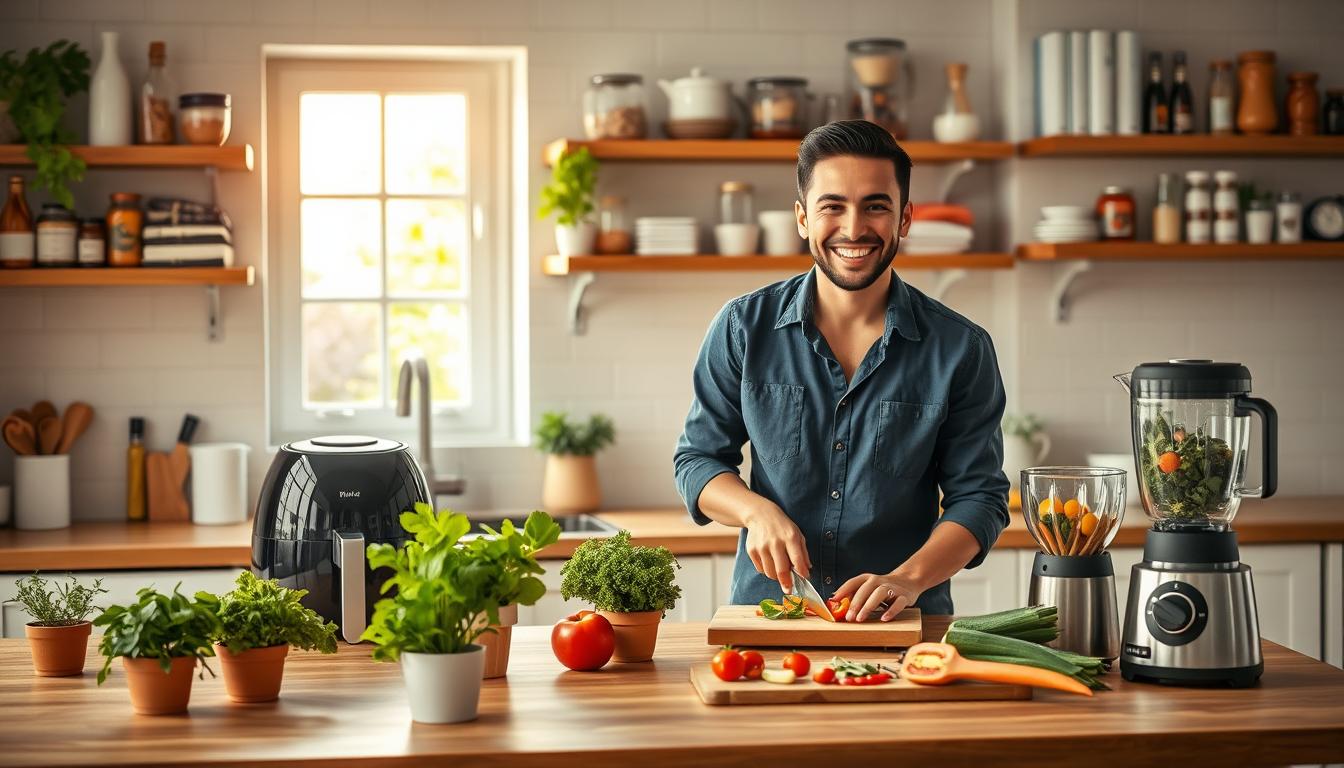
Transforming your kitchen routine doesn’t require drastic changes or expensive equipment. Many people feel stuck in repetitive meal patterns that lack both nutrition and excitement. This guide offers practical solutions to revitalize your approach to food preparation.
Simple adjustments to your techniques and organization can yield significant benefits. You’ll discover how minor tweaks to meal planning and preparation methods enhance both flavor and nutritional value. These strategies work for busy schedules and limited kitchen spaces.
The focus is on realistic, sustainable improvements that fit modern lifestyles. Whether you’re new to the kitchen or have years of experience, these approaches provide fresh perspectives. They incorporate scientific insights about how preparation affects food’s impact on your body.
Building better routines leads to lasting positive changes. You’ll gain confidence while creating meals that support your health goals. The journey toward more enjoyable and efficient food preparation starts with small, intentional steps.
Key Takeaways
- Small adjustments to kitchen routines can create significant improvements
- Better organization and planning lead to more efficient meal preparation
- Scientific approaches to food preparation enhance nutritional benefits
- Strategies work for both beginners and experienced cooks
- Focus on sustainable changes rather than temporary solutions
- Realistic methods that respect time constraints and busy schedules
- Build confidence while improving health through better meal choices
Introduction
As the year begins, many people feel motivated to enhance their food preparation skills, yet lasting progress demands thoughtful approaches. The initial enthusiasm for kitchen improvements often fades when faced with real-world constraints.
Many individuals experience overwhelm when establishing new routines. Balancing busy schedules with the desire for healthier food creates significant challenges. The pressure to make perfect choices can be counterproductive.
Sustainable transformation comes from recognizing that mastery develops over time. You don’t need to learn every technique immediately. Small, consistent adjustments build the foundation for long-term success.
This guide offers practical strategies that help home cooks transition from reliance on takeout to confident meal creation. The approach focuses on manageable steps rather than overwhelming overhauls. These methods have proven effective for countless people.
By understanding the science behind cooking transformations and implementing time-saving organization, you can develop a positive relationship with kitchen tasks. The right way forward makes food preparation an enjoyable part of your routine instead of a stressful obligation.
Understanding the Science Behind Cooking Transformations
Research reveals that simple cooling techniques can transform ordinary carbohydrates into gut-friendly fuel. The way we prepare starchy foods affects their impact on our bodies.
Scientific studies show that temperature changes during preparation create significant nutritional differences. These principles apply to common staples like potatoes, rice, and pasta.
The Role of Temperature and Resistant Starch
When starchy foods undergo cooking and subsequent cooling, a remarkable transformation occurs. Some starch molecules rearrange into resistant starch that behaves like dietary fiber.
This process creates tighter crystalline structures that digestive enzymes struggle to break down. The result is slower digestion and reduced blood sugar spikes.
| Food Preparation Method | Blood Sugar Impact | Resistant Starch Content | Digestive Speed |
|---|---|---|---|
| Freshly Cooked (Hot) | High Spike | Low | Fast |
| Cooled 24 Hours | Moderate Response | High | Slow |
| Cooled & Reheated | Low-Moderate | Medium-High | Moderate |
Cooling and Reheating for Better Blood Sugar Response
Oxford Brookes University research demonstrated that cooled potatoes produce significantly lower blood sugar spikes. This effect persists even when the food is gently reheated.
The practical application is straightforward. Cook starchy foods until tender, then cool them quickly at room temperature. Refrigerate in the fridge for several hours or overnight before consumption.
High heat dry cooking methods create more advanced glycation end products compared to gentler approaches. Understanding these scientific principles empowers better food choices beyond basic nutrition.
Embracing Small Culinary Changes for Better Health
The most effective path to better nutrition involves refining preparation techniques rather than eliminating entire food groups. Sustainable health improvements emerge from accumulating small culinary habits that prove easy to maintain over time.
Simple strategies make a significant difference. Pair carbohydrates with protein sources like eggs, fish, or beans. Add colorful vegetables to every meal for balanced nutrition.
Shifting toward gentler cooking methods creates better balance. More boiling, steaming, and stewing with less high-heat frying reduces inflammatory compounds. These approaches preserve nutrients while enhancing digestibility.
Your body responds differently to these thoughtful preparations. How you cook affects digestion speed, blood sugar response, and sustained fullness. Gut comfort and energy levels improve with proper technique.
The goal isn’t perfection but developing awareness of preparation methods. Gradually incorporate things that make meaningful differences to your wellbeing. This approach transforms how your body processes familiar food ingredients.
Organizing Your Pantry and Kitchen for Success
The foundation of successful food management begins with a well-structured pantry system. This approach eliminates wasted time searching for ingredients during meal preparation.
A systematic layout reduces stress and improves efficiency. You’ll spend less time at the store when essentials are properly organized.
Tips for a Clutter-Free Pantry
Essential staples should always remain visible and accessible. Monthly items like beans, rice, pasta, and oats form your core inventory.
Transfer bulk purchases into clear containers for easy identification. This method preserves freshness while simplifying measuring processes.
| Storage Category | Essential Items | Container Type | Shelf Life |
|---|---|---|---|
| Grains | Rice, Quinoa, Oats | Glass jars | 6-12 months |
| Legumes | Beans, Lentils | Airtight containers | 1-2 years |
| Canned Goods | Tomatoes, Coconut Milk | Original packaging | 2-5 years |
| Baking Supplies | Flour, Seeds, Broth | Sealed containers | 6-12 months |
Strategic organization creates a ripple effect of efficiency. Each cooking session becomes more enjoyable with a well-maintained pantry.
Simplifying Meal Planning for a Busy Week
Practical meal organization requires honest evaluation of your time availability throughout the week. Many people create ambitious plans that don’t match their actual schedule, leading to frustration and abandoned cooking intentions.
Start by examining your calendar for the upcoming week. Identify which days offer generous cooking windows and which require quick solutions. This realistic approach sets you up for success rather than disappointment.
During demanding periods with limited time, prioritize simple meals with fewer ingredients. Choose recipes with shorter preparation durations to maintain consistency. Cooking becomes more manageable when you reduce component complexity.
Develop a master list of go-to recipes organized by preparation time. This reference helps you quickly match appropriate meals to available schedule windows each day. Having this resource saves decision-making energy.
Flexibility is the cornerstone of sustainable meal planning. Build a framework that accommodates your real life rather than forcing rigid adherence to an unrealistic schedule. Strategic planning means knowing when to cook from scratch versus when to use leftovers or embrace simplicity.
When you align meal expectations with your actual capabilities, follow-through increases dramatically. This approach reduces guilt associated with abandoned cooking plans and builds confidence in your food preparation skills.
Batch Cooking: One Meal, Multiple Enjoyments
Intentionally doubling your portions during meal preparation yields multiple benefits beyond time savings. This approach transforms single cooking sessions into sources for several satisfying meals throughout your week.
Cooking Once, Eating Twice Strategy
The “cooking once, eating twice” method maximizes kitchen efficiency with minimal extra effort. When preparing dinner, simply increase ingredient quantities to create tomorrow’s lunch simultaneously.
Strategic portioning is crucial for success. Transfer future servings into containers before plating your current meal. This prevents overeating and ensures proper distribution for upcoming days.
Batch preparation doesn’t mean identical meals every time. Cook versatile components like roasted vegetables or seasoned proteins. These transform into different dishes when combined creatively later in the week.
Proper storage in the fridge preserves food safety while enhancing nutritional value. For starchy foods, cooling creates beneficial resistant starch that improves metabolic response.
This approach reduces daily decision fatigue and eliminates excuses for unhealthy choices. Knowing tomorrow’s meal is ready provides psychological relief and supports consistent healthy eating.
Adapting Everyday Cooking Habits to a Hectic Lifestyle
Strategic placement of essential tools and ingredients can dramatically reduce cooking time and frustration. When your kitchen flows with your natural movements, meal preparation becomes smoother and more efficient.
Time-Saving Kitchen Hacks
Setting up your workspace in a logical way saves precious minutes during busy evenings. Position frequently used items near your stove for easy access.
Keep essential tools within arm’s reach to keep running through recipe steps without interruption. Stainless steel skillets, saucepans, and chef’s knives should occupy prime real estate.
Identify which things you consistently reach for during meal preparation. Store these high-frequency items closest to your main cooking area.
“An organized kitchen isn’t about perfection—it’s about creating a workflow that respects your time and energy.”
| Efficient Setup | Inefficient Setup | Time Saved | Frustration Level |
|---|---|---|---|
| Tools within arm’s reach | Scattered across kitchen | 3-5 minutes per meal | Low |
| Seasonings by stove | Buried in cabinets | 2-3 minutes searching | High |
| Clear counter space | Cluttered workspace | 1-2 minutes setup | Moderate |
Small spatial adjustments create significant cumulative benefits. These efficient habits make the difference between enjoyable meal preparation and stressful chores.
Relegate rarely used appliances to less accessible storage areas. This simple reorganization prevents clutter from slowing down your workflow.
Enhancing Flavors with Healthy Fats and Seasonings
Simple ingredients become extraordinary with thoughtful use of healthy fats and seasonings. These elements do more than just improve taste—they transform how your body processes meals.
High-quality olive oil serves dual purposes in meal preparation. It enhances flavor depth while slowing digestion for better nutrient absorption. This creates sustained energy instead of rapid blood sugar spikes.
Using Olive Oil and Natural Flavor Boosters
Natural enhancers like salt, fresh herbs, and citrus zest eliminate need for processed sauces. They deliver superior taste without artificial ingredients. Keeping these items near your stove encourages regular use.
Healthy fats are allies in creating satisfying dishes. A tray of potato wedges tossed with olive oil and salt before roasting demonstrates this principle. The right oil creates satiety that prevents restless hunger.
| Flavor Method | Primary Benefit | Best For | Preparation Time |
|---|---|---|---|
| Olive Oil Tossing | Enhanced absorption | Roasting vegetables | 1-2 minutes |
| Herb Infusion | Natural aroma | Steamed dishes | 3-5 minutes |
| Citrus Zesting | Bright acidity | Boiled grains | Under 1 minute |
| Garlic Sauté | Depth of flavor | All cooking methods | 2-3 minutes |
Understanding fat’s role liberates you from outdated low-fat thinking. It opens possibilities for creating truly nourishing meals with exceptional flavor profiles.
Efficient Ingredient Prep: Cutting Down Cooking Time
Component-based preparation offers a liberating approach to kitchen efficiency that respects your changing preferences throughout the week. This method focuses on preparing versatile ingredients rather than complete meals.
Seasonal produce provides natural guidance for your prep sessions. Winter brings root vegetables and squash, while summer offers fresh salad components. This rotation ensures variety in your meals.
Dedicated prep time dramatically reduces daily cooking demands. Marinated proteins and pre-chopped vegetables transform weeknight meals into quick assemblies.
| Preparation Method | Flexibility Level | Weekly Time Investment | Menu Variety | Decision Fatigue |
|---|---|---|---|---|
| Ingredient Prep | High | 90-120 minutes | Multiple combinations | Low |
| Complete Meal Prep | Low | 120-180 minutes | Fixed meals | High |
A simple Sunday session might include bone broth quinoa and honey-marinated chicken thighs. These components create multiple nourishing meals with minimal additional effort.
This approach accommodates changing appetites better than pre-assembled meals. You maintain spontaneity while enjoying the convenience of pre-prepared ingredients.
Strategic component prep removes barriers to consistent home cooking. It saves valuable time during busy evenings when energy levels are lowest.
Smart Grocery Shopping and Pantry Stocking Strategies
Strategic purchasing decisions create a ripple effect that simplifies meal preparation and reduces food costs. Your approach to the grocery store determines how efficiently your kitchen operates throughout the week.
Begin with a master shopping list organized by store sections. This prevents wandering aisles and impulse buys. Keep this list updated with pantry staples you regularly use.
Bulk Buying and Organized Storage
Learn your local store’s sale cycles for maximum savings. Stock up on non-perishable items when prices drop. This strategy significantly cuts your overall food budget.
Bulk purchases make economic sense for frequently used ingredients. Pair them with proper storage solutions to maintain freshness. Transfer items into large glass containers for easy visibility.
An organized pantry system prevents duplicate purchases and food waste. You’ll always know what you have on hand. This transforms grocery shopping from stressful chore to efficient routine.
Must-Have Kitchen Tools for Every Home Cook
A well-equipped kitchen space focuses on strategic tool placement rather than accumulating unnecessary gadgets. Quality essentials positioned thoughtfully create an efficient workflow that supports regular meal preparation.
Core tools include stainless steel and nonstick skillets, versatile saucepans with fitting lids, and a sharp chef’s knife. A stable cutting board and practical storage containers complete the essential collection.
Position these fundamental tools near your stove to create a designated cooking zone. This arrangement minimizes movement and keeps you focused on the task.
A well-organized utensil drawer or countertop container holds frequently used implements. Wooden spoons, spatulas, and tasting spoons should remain within arm’s reach.
Investing in quality versions of frequently used tools proves more economical over time. Cheap alternatives often break or perform poorly, requiring frequent replacement.
Counter space management involves keeping active-use tools accessible while storing specialty equipment elsewhere. This prevents clutter from slowing down your workflow.
The right kitchen tools transform meal preparation from chore to enjoyable activity. An organized utensil drawer and strategic placement encourage consistent home cooking.
Experimenting with New Recipes to Boost Confidence
Building recipe confidence requires starting with dishes you already know and enjoy. This approach removes intimidation and increases your chances of success. Familiar flavors provide a comfortable foundation for skill development.
Avoid overly ambitious recipes when you’re still developing skills. Disappointing results can discourage continued experimentation. Instead, focus on mastering foundational techniques through repetition.
Each successful recipe completion reinforces your capability. This demystifies the cooking process and transforms it into an enjoyable creative activity. Confidence emerges from consistent practice rather than innate talent.
Gradually expand your comfort zone by experimenting with one new thing at a time. This could be an unfamiliar vegetable or different preparation method. This incremental approach mirrors how professional cooks develop their skills.
The process of building cooking confidence becomes more natural with each small victory. Remember that every experienced cook once struggled with basic techniques. Your journey follows the same rewarding path.
Everyday Cooking Habits: Transform Your Routine
True kitchen confidence grows from establishing patterns that withstand life’s inevitable disruptions. Lasting change develops through consistent small actions rather than dramatic overhauls.
Setting a realistic goal like preparing dinner three times weekly creates achievable milestones. This approach builds confidence instead of setting you up for perceived failure.
Strategic leftover use bridges gaps between your cooking frequency goal and daily meal needs. The “cook once, eat twice” method ensures nourishment without resorting to takeout.
| Cooking Frequency | Success Rate | Long-Term Consistency | Confidence Level |
|---|---|---|---|
| 3 times weekly | 85% | High | Strong |
| Daily attempts | 45% | Low | Unstable |
| 5 times weekly | 70% | Medium | Moderate |
Identify specific barriers preventing regular meal preparation. Address these through practical solutions rather than willpower alone.
View each dinner as part of an integrated system involving planning, shopping, and strategic leftover utilization. Focus on consistency over perfection for lasting results.
Balancing Traditional Techniques with Modern Innovations
Modern science provides valuable insights into how heat application during cooking influences food’s nutritional properties. Understanding this relationship helps create meals that are both delicious and health-supportive.
High Heat vs. Gentle Cooking Methods
Research shows that cooking temperature significantly affects inflammation markers and long-term health outcomes. High heat methods like grilling and frying produce more advanced glycation end products (AGEs). These compounds accumulate in tissues when intense heat dominates your routine.
Gentler techniques including steaming and stewing generate fewer AGEs while creating satisfying meals. The goal isn’t eliminating high-heat cooking entirely but achieving balance. This approach honors both culinary pleasure and physiological reality.
| Cooking Method | Heat Level | AGEs Production | Best Application |
|---|---|---|---|
| Grilling/Frying | High | High | Occasional use |
| Roasting (moderate) | Medium | Medium | Regular vegetables |
| Steaming/Boiling | Low | Low | Daily staples |
| Stewing | Low-Medium | Low | Proteins & legumes |
Practical implementation might involve roasting vegetables at moderate heat instead of charring them. Alternating between pan-fried proteins and slow-simmered stews creates beneficial variety. This balanced approach optimizes both enjoyment and wellbeing.
Creating a Week of Upgraded, Nutritious Meals
The secret to consistent healthy eating lies in thoughtful advance preparation that anticipates your weekly needs. Strategic meal prep transforms chaotic eating patterns into organized nourishment.
Meal Prep Success Stories
Implementing the cooling strategy for starchy foods creates remarkable nutritional benefits. Cook rice or potatoes until just tender, then cool quickly before refrigerating overnight.
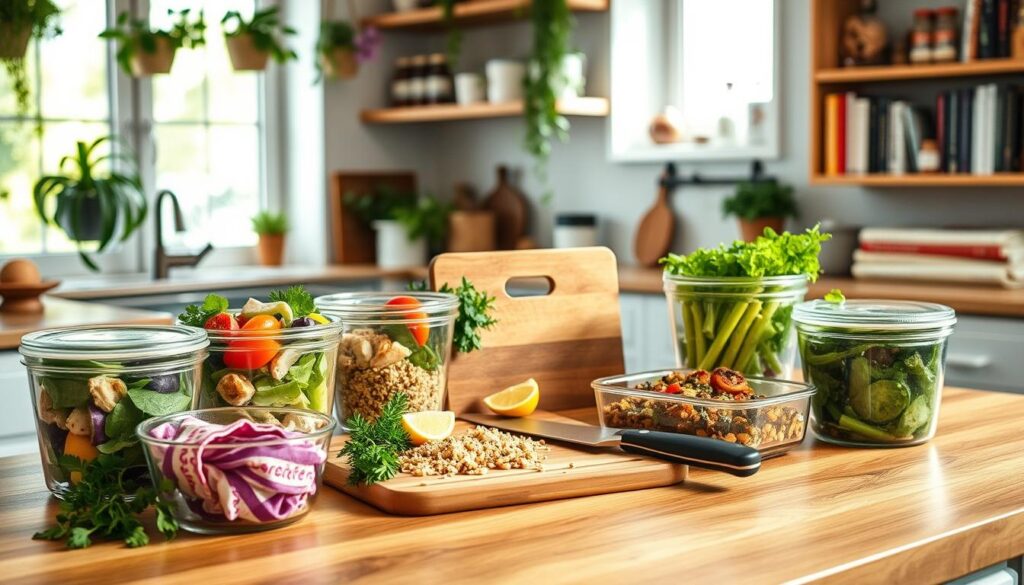
Your fridge becomes a strategic ally when organized with clear containers. These make it easy to assemble satisfying bowl meals throughout the week.
Portion leftovers into containers before serving your immediate meal. This discipline prevents overeating while ensuring future dishes are properly sized.
Successful meal prep involves versatile ingredients that create different combinations. The same cooled rice can appear in grain bowls, fried rice, or cold salads.
Freezing portions extends your prep beyond the immediate week. This creates an emergency reserve for unexpectedly hectic periods.
Conclusion
The journey toward better kitchen practices represents an ongoing process of discovery rather than a final destination. Each week brings new opportunities to refine your approach throughout the year.
At the end of the day, the point is finding joy in the process itself. Simple routines like clearing counters each morning create an inviting place to work. An organized utensil drawer and timely cleanup with warm soapy water make your home kitchens welcoming.
The right thing isn’t perfection but consistency. Small decisions—using quality salt for flavor, storing leftovers in glass containers—compound over time. This transforms meal preparation into a sustainable home practice that serves your wellbeing.